


Medically reviewed by
Krishna Patel, OD
Jump Ahead
- Astigmatism: Causes and Symptoms
- Non-Surgical Management Options
- Surgical Treatment Options
- Choose the Right Treatment
- Astigmatism Treatment Comparison
- FAQs
Understanding Astigmatism: Causes and Symptoms
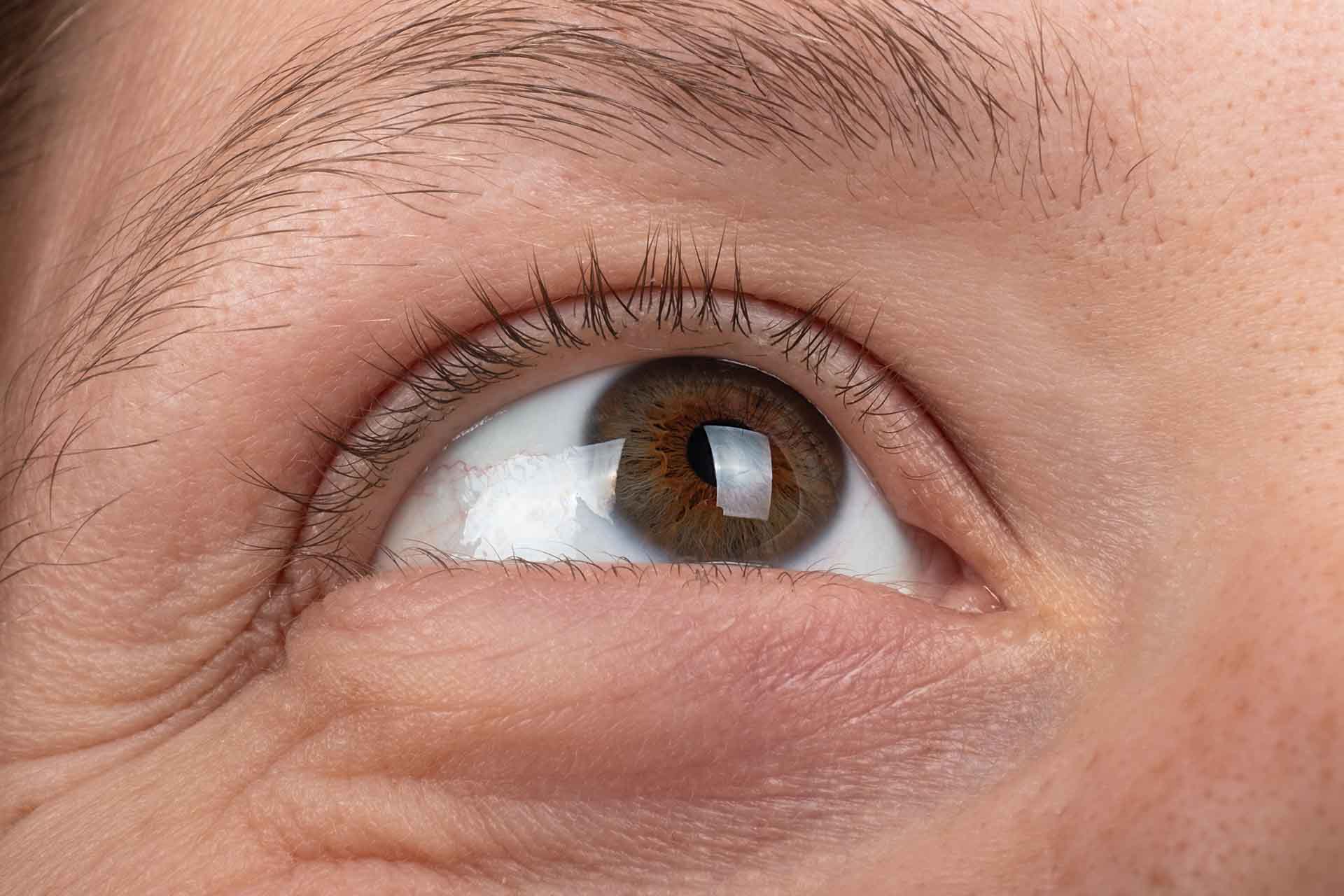
Astigmatism occurs when your cornea (the clear front layer of your eye) or your lens (the internal focusing structure) has an irregular shape. Instead of being perfectly round like a basketball, an astigmatic eye is shaped more like a football, with one curve steeper than the other. This irregular curvature causes light to focus at multiple points rather than a single point on your retina, resulting in blurred or distorted vision at all distances.
Common Symptoms
People with astigmatism often experience:
- Blurred or distorted vision at near and far distances
- Eyestrain and headaches, especially after reading or screen time
- Difficulty seeing clearly at night
- Need to squint to see clearly
- Halos around lights
What Causes Astigmatism?
According to research on astigmatism epidemiology, most astigmatism is present from birth or develops in early childhood. However, it can also develop or change throughout life due to natural aging, eye trauma, previous eye surgery, or conditions like keratoconus. Studies show that astigmatism prevalence increases with age, particularly after 70.
Types of Astigmatism
Regular vs. Irregular
Regular astigmatism (most common) has two perpendicular curves and responds well to all correction methods. Irregular astigmatism has unpredictable curves and may require specialized treatment.
By Axis
With-the-rule astigmatism (vertical steepest) is most common in younger people, while against-the-rule astigmatism (horizontal steepest) becomes more prevalent after age 40.
By Severity
Mild (under 1.0 diopter), moderate (1.0-3.0 D), or high (over 3.0 D) astigmatism each have different treatment considerations.

Non-Surgical Management Options
Eyeglasses
Prescription lenses with a cylindrical component neutralize the uneven curvature of your cornea. Glasses work for all severities of astigmatism, require no eye contact, and have no risk of infection. They’re the simplest, most affordable option, though they can distort peripheral vision and may be inconvenient for sports.
Toric Contact Lenses
Specially designed contact lenses with different powers in different meridians correct astigmatism while providing natural appearance and unobstructed peripheral vision. Available as daily disposables, bi-weekly, monthly soft lenses, or rigid gas permeable lenses for higher astigmatism. They require proper hygiene and have ongoing replacement costs but work well for active lifestyles.
Surgical Treatment Options
For patients seeking freedom from prescription glasses and contacts, several surgical options can permanently correct astigmatism. According to the American Academy of Ophthalmology, modern refractive surgery achieves success rates exceeding 95% for appropriate candidates.
LASIK (Laser-Assisted In Situ Keratomileusis)
How It Works: A surgeon creates a thin flap in the cornea using a femtosecond laser, then uses an excimer laser to reshape the underlying corneal tissue. The flap is repositioned, acting as a natural bandage.
Success Rates: Recent studies show over 95% of patients achieve 20/20 vision or better, with satisfaction rates exceeding 96%.
Best For: Ages 18-45 with stable prescriptions, myopia up to -12.00 D with up to 6 D of astigmatism, hyperopia up to +6.00 D, patients wanting fastest recovery.
Recovery: Most patients see well enough for daily activities within 24 hours. Return to most activities within one week, complete healing by three months.
Advantages: Fastest visual recovery, minimal discomfort, can include custom wavefront-guided treatments, proven long-term safety.
Limitations: Requires adequate corneal thickness, creates a permanent flap, temporary dry eye symptoms, not ideal for high-impact sports.
Cost: $2,000-$4,000 per eye (typically not covered by insurance).
PRK (Photorefractive Keratectomy)
How It Works: The eye surgeon gently removes the corneal surface layer, then uses an excimer laser to reshape the cornea. The surface naturally regenerates over several days.
Success Rates: Clinical studies report about 92% of patients achieve 20/40 or better vision, with 70% reaching 20/20.
Best For: Thin corneas unsuitable for LASIK, high-risk occupations (military, police, contact sports), patients with corneal irregularities, those concerned about flap complications.
Recovery: Significant discomfort for 2-3 days, functional vision returns in one week, gradual improvement over 1-3 months, complete stabilization by six months.
Advantages: No corneal flap, preserves more corneal tissue, suitable for thinner corneas, may have better long-term corneal stability.
Limitations: Longer recovery period, more initial discomfort, temporary corneal haze possible.
Cost: $2,000-$3,500 per eye.
SMILE (Small Incision Lenticule Extraction)
How It Works: A femtosecond laser creates a small lens-shaped piece of tissue within the cornea, which the surgeon removes through a tiny incision. No flap is created.
Success Rates: Research shows 99% achieve within ±1.0 D of target correction, with 85% achieving 20/20 or better vision.
Best For: Myopia -1.00 to -10.00 D with myopic astigmatism up to -3.00 D (cannot treat hyperopia or pure astigmatism), patients with dry eye concerns, those wanting flapless surgery with faster recovery than PRK.
Recovery: Vision may be slightly soft for a few days but functional, significant improvement within one week.
Advantages: Flapless procedure, minimal dry eye symptoms, potentially better corneal stability than LASIK, small incision preserves corneal nerves.
Limitations: Cannot correct hyperopia, limited effectiveness for high astigmatism above 3.00 D, no wavefront-guided options currently.
Cost: $2,200-$4,000 per eye.
Toric Intraocular Lenses (IOLs)
How It Works: During cataract surgery or refractive lens exchange, your natural lens is removed and replaced with an artificial lens specifically designed to correct astigmatism. The lens is precisely oriented to counteract your corneal astigmatism.
Success Rates: According to an American Academy of Ophthalmology systematic review, toric IOLs provide significantly better uncorrected distance vision and lower residual astigmatism than non-toric lenses, with 88% of patients achieving 20/40 or better vision.
Best For: Ages 50+ with cataracts, patients 45-65 considering refractive lens exchange, those with 1.00 D or more of corneal astigmatism, people wanting to address cataracts and astigmatism simultaneously.
Recovery: Initial recovery within one week (second eye typically done 1-2 weeks after first), functional vision by 2-4 weeks, final stabilization by three months.
Advantages: Permanent correction that won’t regress, addresses presbyopia simultaneously with multifocal options, eliminates future cataract surgery need, proven long-term effectiveness over 8+ years.
Limitations: Requires lens removal surgery, premium toric IOLs add $1,500-$3,000 per eye to standard cataract surgery costs, potential for lens rotation.
Limbal Relaxing Incisions (LRIs)
How It Works: Precise incisions at the edge of the cornea using a diamond blade or femtosecond laser flatten the steep meridian. These incisions are often performed during cataract surgery.
Best For: Mild astigmatism (under 1.50 D) during cataract surgery, patients who cannot receive toric IOLs.
Effectiveness: Research shows toric IOLs are 2.83 to 10.27 times more likely to achieve optimal correction compared to LRIs, especially for higher amounts of astigmatism.
Advantages: Can be combined with cataract surgery, less expensive than toric IOLs.
Limitations: Less predictable than toric IOLs or laser procedures, effectiveness decreases with higher astigmatism, results may change over time.
Astigmatism Treatment Comparison
| Treatment | Astigmatism Range | Recovery Time | Success Rate | Best For | Cost Range |
| Glasses | All severities | Immediate | 100% correction | All ages, simple solution | $100-$500 |
| Toric Contacts | Mild-High | Immediate | High | Active lifestyles | $300-$700/year |
| LASIK | Up to 6.00 D | 24 hours functional | 95%+ achieve 20/20 | Ages 18-45, fast recovery | $4,000-$8,000 both eyes |
| PRK | Up to 6.00 D | 1 week functional | 92% achieve 20/40+ | Thin corneas, high-impact jobs | $4,000-$7,000 both eyes |
| SMILE | Up to 3.00 D myopic | Few days | 99% within ±1.0D | Dry eye concerns, flapless | $4,400-$8,000 both eyes |
| Toric IOLs | 0.75-4.75 D+ | 2-4 weeks | 88% achieve 20/40+ | Ages 50+, with cataracts | $3,000-$6,000 per eye |
How to Choose the Right Treatment
By Age
Under 40
Glasses, toric contacts, or corneal refractive surgery (LASIK/PRK/SMILE) are typical options. Your prescription should be stable for at least one year before considering surgery.
Ages 40-50
Consider presbyopia development. Monovision options or planning for future refractive lens exchange may influence your choice.
Ages 50+
If you have early cataracts, waiting for cataract surgery with toric IOLs might be more cost-effective than separate procedures.
By Lifestyle
Athletes and Active Individuals
Contact lenses or corneal refractive surgery provide freedom from glasses. For contact sports, PRK or SMILE may be preferable to avoid flap-related concerns.
High-Impact Occupations
Military, law enforcement, and contact sports athletes often prefer PRK or SMILE, though modern LASIK flaps are extremely stable.
By Eye Health
Thin Corneas
PRK or SMILE preserve more structural tissue than LASIK.
Dry Eyes
SMILE or PRK typically cause less dry eye than LASIK. Toric contacts may be challenging.
Irregular Astigmatism
Rigid gas permeable or scleral contact lenses often work best. For surgery, topography-guided LASIK or PRK may be options.
Frequently Asked Questions
Will my astigmatism get worse over time?
Astigmatism can change throughout life. Research shows that with-the-rule astigmatism is more common in younger people, while against-the-rule and oblique astigmatism increase with age. Regular eye exams help monitor changes and adjust prescriptions as needed.
Can I have LASIK if I have high astigmatism?
LASIK can correct up to 6.00 D of astigmatism in most cases, though outcomes are best with lower amounts. For very high astigmatism, PRK or other options may provide better results. A comprehensive evaluation determines your candidacy.
How do I know if I’m a candidate for refractive surgery?
Good candidates typically are at least 18 years old, have had a stable prescription for at least one year, have healthy eyes without active disease, have realistic expectations, and have adequate corneal thickness for LASIK. Your eye doctor will perform comprehensive testing to determine which procedures are suitable.
Will I still need reading glasses after surgery?
If you’re over 40-45, presbyopia affects everyone regardless of astigmatism correction. Some surgical options like monovision or multifocal toric IOLs can address both distance astigmatism and near vision, but these involve trade-offs worth discussing with your surgeon.
How long does surgical astigmatism correction last?
Corneal refractive surgery (LASIK, PRK, SMILE) provides permanent corneal reshaping, though natural age-related changes can still occur. Long-term studies of toric IOLs show excellent stability over 8+ years.
Does insurance cover astigmatism treatment?
Glasses and contacts are often partially covered by vision insurance. Refractive surgery (LASIK, PRK, SMILE) is typically not covered as it’s considered elective, though HSA and FSA funds can be used. For toric IOLs during cataract surgery, the cataract removal is covered by medical insurance, but you’ll pay out-of-pocket for the premium toric lens upgrade.
Taking the Next Step
Choosing the right astigmatism treatment depends on your age, lifestyle, eye health, and goals. While prescription eyeglasses and contact lenses remain excellent options for many people, modern surgical techniques offer the possibility of clear vision without daily dependence on corrective lenses.
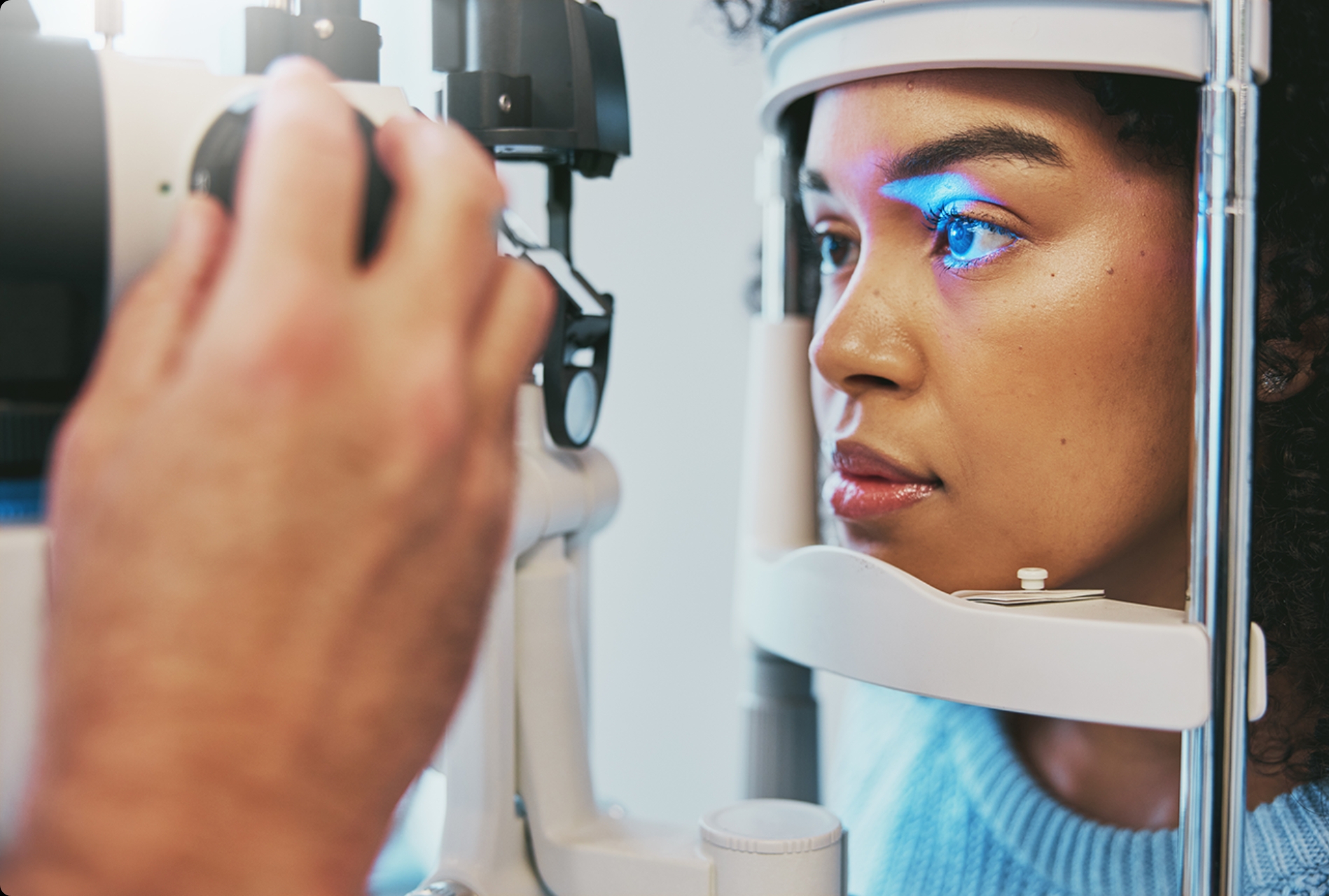
A comprehensive eye examination will measure your refractive error, assess your eye health, and help determine which treatments are suitable for your unique situation. Not all patients are candidates for all procedures, but with today’s range of options, most people with astigmatism can achieve significantly improved vision. Schedule a comprehensive astigmatism evaluation at Horizon Eye Care, by contacting us online or calling (704) 365-0555.