

Medically reviewed by
Joel Kaluzny, MD
One in four Americans over age 71 has visual impairment, yet many seniors don’t realize they have an eye condition until vision loss becomes noticeable. As we live longer and more active lives, maintaining healthy eyesight is more important than ever. The good news? Modern diagnostic tools and treatment options can preserve vision when conditions are detected early.
Why Seniors Are at Higher Risk
Vision impairment disproportionately affects older adults. According to recent studies, approximately 25% of older adults have visual impairment (defined as visual acuity worse than 20/40). This percentage increases dramatically with age, affecting nearly 38% of adults 85-89 and 46% of those 90 and older.
By 2050, an estimated 61 million Americans will have some form of visual impairment, nearly double current numbers. This increase is driven by our aging population and increased life expectancy.
The Silent Nature of Eye Disease
Many age-related eye conditions develop gradually without obvious symptoms in early stages. Patients often assume gradual vision changes are a normal part of aging rather than treatable conditions. This makes regular comprehensive eye exams essential, even when vision seems fine.
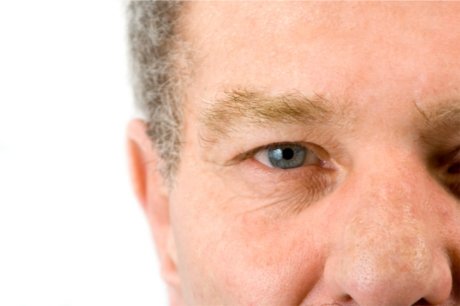
Cataracts
What Are Cataracts?
A cataract is a clouding of the eye’s natural lens, causing blurry vision and other visual symptoms. Cataracts develop when proteins in the lens break down and clump together, creating cloudy areas that block light from passing through clearly.
How Common Are Cataracts?
Cataracts are extremely common in seniors. According to the National Eye Institute, approximately 24.4 million Americans age 40 and older currently have cataracts. Age is the strongest risk factor:
- Ages 40-49: 2.5% have cataracts
- Ages 60-64: 15.5% have cataracts
- Ages 70-74: 36.5% have cataracts
- Ages 75-79: approximately 50% have cataracts
- Ages 80+: over 63% have cataracts
By 2050, an estimated 50 million Americans will have cataracts. Women develop cataracts slightly more often than men, accounting for about 61% of cases.
Recognizing Cataract Symptoms
- Cloudy or blurry vision
- Difficulty driving at night due to glare from headlights
- Halos around lights
- Faded or yellowed colors (whites appear yellow rather than bright)
- Frequent changes in eyeglass prescription
- Double vision in one eye
Treatment Options
Early cataract symptoms can sometimes be managed with updated glasses prescriptions and brighter lighting. However, surgery is the only definitive treatment for cataracts.
Modern cataract surgery is one of the most common and successful procedures performed, with over 3 million procedures annually in the United States. The surgery involves removing the clouded natural lens and replacing it with a clear artificial intraocular lens (IOL). Most patients experience dramatic vision improvement and return to normal activities within days.
Glaucoma
Understanding Glaucoma
Glaucoma is a group of eye diseases that damage the optic nerve, typically due to elevated pressure within the eye. This damage first affects peripheral (side) vision, gradually progressing toward central vision if untreated.
Prevalence and Risk Factors
Glaucoma affects over 3 million Americans and is the leading cause of irreversible blindness. Prevalence increases significantly with age, affecting 4-8% of adults ages 65-75 and 7-12% of those over 80.
Risk Factors
- Age 60 or older
- Family history of glaucoma
- African American, Hispanic, or Asian ancestry (higher risk at younger ages)
- Diabetes
- High blood pressure
- Severe nearsightedness or farsightedness
- History of eye injury
- Long-term corticosteroid use
Why Glaucoma Is Dangerous
The insidious nature of glaucoma makes it particularly dangerous. Most patients have no noticeable symptoms until significant vision loss has occurred. The disease typically develops over many years, with patients unaware their vision is reducing until they’ve lost substantial peripheral vision.
By the time symptoms become noticeable, permanent vision damage has already occurred. This is why glaucoma is often called the “silent thief of sight.”
Glaucoma Treatment Approaches
While glaucoma damage cannot be reversed, progression can be slowed or stopped with proper treatment.
- Prescription Eye Drops: Lower intraocular pressure by reducing fluid production or improving drainage
- Laser Procedures: Improve fluid drainage from the eye (trabeculoplasty, iridotomy)
- Surgical Options: Create new drainage channels when other treatments aren’t sufficient (trabeculectomy, drainage implants)
- Minimally Invasive Glaucoma Surgery (MIGS): Newer procedures with faster recovery and fewer complications
Regular monitoring is essential, as treatment effectiveness must be evaluated over time to prevent further vision loss.
Age-Related Macular Degeneration (AMD)
What Is AMD?
Age-related macular degeneration affects the macula, the central portion of the retina responsible for sharp, detailed central vision needed for activities like reading, driving, and recognizing faces.
Prevalence
AMD is a leading cause of vision loss in Americans over 50. Recent CDC data shows AMD prevalence increases dramatically with age, from 2% among people aged 40-44 to nearly 47% among those 85 and older. Approximately 20% of adults over 75 have early AMD, increasing to 30% by age 85.
Risk Factors
- Age over 60 (especially over 75)
- Caucasian ethnicity (higher rates than other groups)
- Smoking (doubles the risk)
- Family history
- Cardiovascular disease
- Obesity
Two Types of AMD
Dry AMD (Non-Neovascular)
Accounts for 85-90% of cases. Develops gradually as the macula thins with age. Small yellow deposits called drusen accumulate under the retina.
Wet AMD (Neovascular)
Less common but more serious. Abnormal blood vessels grow under the retina, leaking fluid and blood that damage the macula. Can cause rapid vision loss if untreated.
Symptoms to Watch For
- Blurred central vision
- Straight lines appearing wavy or distorted
- Dark or empty areas in central vision
- Difficulty recognizing faces
- Need for brighter light when reading
- Trouble adapting to low light levels
AMD Treatment Options
Dry AMD
Currently no cure, but progression may be slowed with:
- AREDS2 vitamin supplements (specific formulation of vitamins C, E, zinc, copper, lutein, and zeaxanthin)
- Healthy diet rich in leafy greens and fish
- Not smoking
- Regular monitoring
Wet AMD
Requires prompt treatment to prevent severe vision loss:
- Anti-VEGF injections (Lucentis, Eylea, Avastin) administered into the eye to stop abnormal blood vessel growth
- Typically requires ongoing injections every 4-12 weeks
- Laser therapy in select cases
Diabetic Eye Disease
The Diabetes-Vision Connection
Diabetes affects approximately 38 million Americans, and the disease can damage eyes in multiple ways. Diabetic eye disease is one of the leading causes of preventable blindness, yet regular screening and good diabetes management can prevent 90% of diabetes-related vision loss.
How Diabetes Affects the Eyes
- Diabetic Retinopathy: High blood sugar damages blood vessels in the retina, causing them to leak or close. New, abnormal blood vessels may grow, leading to vision loss and potentially retinal detachment.
- Diabetic Macular Edema: Fluid leaks into the macula, causing swelling and blurred vision.
- Increased Cataract Risk: People with diabetes develop cataracts earlier and more frequently than those without diabetes.
- Higher Glaucoma Risk: Diabetes doubles the risk of developing glaucoma.
Early Detection Matters
Diabetic retinopathy typically develops without symptoms in early stages. By the time vision changes occur, significant damage has already happened. However, early detection through dilated eye exams allows for treatment before vision loss occurs.
Screening Recommendations
- Type 1 diabetes: Annual dilated eye exam starting 5 years after diagnosis
- Type 2 diabetes: Annual dilated eye exam starting at diagnosis
- Pregnant women with diabetes: Exam during first trimester and close monitoring throughout pregnancy
Treatment Approaches
- Blood Sugar Control: The most important factor in preventing diabetic eye disease
- Anti-VEGF Injections: Reduce swelling and slow vision loss from diabetic macular edema and proliferative diabetic retinopathy
- Laser Treatment: Seals leaking blood vessels and prevents new abnormal vessel growth
- Vitrectomy Surgery: Removes blood from the vitreous and scar tissue in advanced cases
Dry Eye Syndrome
Understanding Dry Eye in Seniors
Dry eye syndrome becomes increasingly common with age, affecting 5-30% of adults over 65. While often dismissed as a minor annoyance, chronic dry eye can significantly impact quality of life and even vision.
Causes for Dry Eyes in Older Adults
Age-Related Changes
- Decreased tear production
- Changes in tear composition
- Eyelid changes affecting tear distribution
- Hormonal changes (especially in women after menopause)
Contributing Factors
- Medications (especially blood pressure medications, antihistamines, antidepressants)
- Medical conditions (rheumatoid arthritis, Sjogren’s syndrome, thyroid disorders)
- Environmental factors (low humidity, air conditioning, wind)
- Decreased blink rate from computer use or reading
- Previous eye surgeries
Symptoms
- Burning or stinging sensation
- Gritty feeling, as if something is in the eye
- Excessive tearing (the eyes produce reflex tears in response to irritation)
- Redness
- Blurred vision that improves with blinking
- Eye fatigue
- Difficulty wearing contact lenses
Dry Eye Treatment Options
Understanding of dry eye has improved significantly in recent years, leading to better treatment options:
Artificial Tears
Over-the-counter lubricating drops for mild symptoms
Prescription Medications
- Restasis, Xiidra, Cequa (reduce inflammation and increase tear production)
- Tyrvaya (nasal spray that stimulates tear production)
Punctal Plugs
Tiny devices inserted into tear ducts to keep natural tears on the eye longer
Lifestyle Modifications
- Use humidifiers in dry environments
- Take breaks from screen time (20-20-20 rule)
- Stay hydrated
- Omega-3 fatty acid supplements
- Warm compresses for meibomian gland dysfunction
Advanced Procedures
- LipiFlow (treats meibomian gland dysfunction)
- Intense Pulsed Light (IPL) therapy
- Amniotic membrane treatment for severe cases
The Importance of Regular Eye Exams
Early detection is the key to preserving vision. Many of these conditions can be identified and treated before significant vision loss occurs, but only through regular comprehensive eye examinations.
Recommended Exam Frequency
- Ages 55-64: Every 1-3 years (or annually with risk factors)
- Ages 65 and older: Annually
- Patients with diabetes: Annually, regardless of age
- Anyone with symptoms or family history of eye disease: As recommended by your eye care specialist
Protecting Your Vision
While aging increases risk for eye disease, many conditions can be prevented or their progression slowed with proper care:
Schedule Regular Exams
Don’t wait for symptoms. Early detection saves vision.
Manage Chronic Conditions
Control diabetes, high blood pressure, and cholesterol.
Protect Your Eyes
Wear UV-protective prescription sunglasses outdoors. Use protective eyewear for hazardous activities.
Maintain Healthy Habits
- Don’t smoke (or quit if you do)
- Eat a diet rich in leafy greens, fish, and colorful fruits and vegetables
- Exercise regularly
- Maintain a healthy weight
Know Your Family History
Many eye conditions have genetic components. Share this information with your eye care provider.
Report Changes Promptly
Contact your eye doctor if you notice vision changes, even if subtle.
Schedule A Comprehensive Eye Exam
At Horizon Eye Care, our experienced ophthalmologists in Charlotte provide comprehensive eye care for seniors, including advanced diagnostic technology and treatment for all age-related eye conditions. We understand the unique vision needs of older adults and provide compassionate, thorough care.