


Medically reviewed by
W. Riley Stroman, MD

Understanding Retinopathy: Not Just a Diabetes Problem
The retina lines the back two-thirds of the eye and transmits visual images to the brain via the optic nerve. When small blood vessels supplying blood and nutrition to the retina become weakened, the resulting disease is called retinopathy.
While diabetes is the most common cause, other conditions can also damage retinal blood vessels. According to the National Eye Institute, hypertension, certain autoimmune disorders, and radiation treatment can cause various forms of retinopathy. Maintaining a healthy weight through proper diet and exercise, along with adequate sleep (which helps the body regulate inflammation), all play important roles in protecting your retinal health.
Two Forms of Diabetic Retinopathy
Diabetic retinopathy progresses through distinct stages, classified as either non-proliferative or proliferative based on whether abnormal new blood vessels have formed.
Non-Proliferative Diabetic Retinopathy (NPDR)
In the earliest stage, excess blood sugar damages the inside walls of retinal blood vessels. These weakened vessels develop small bulges called microaneurysms that can leak fluid and blood. As the condition progresses, larger retinal vessels may become blocked, depriving areas of the retina of their blood supply. You may notice no symptoms during this stage, even as damage accumulates.
Proliferative Diabetic Retinopathy (PDR)
According to research published in the Journal of Clinical Medicine, proliferative diabetic retinopathy develops when the retina grows new blood vessels in response to poor circulation. Unfortunately, these new vessels are abnormal, fragile, and prone to leaking blood and fluid into the vitreous (the gel-like substance filling your eye). Without treatment, this can lead to serious complications including retinal detachment and vision loss.
Diabetic Macular Edema (DME)
At any stage, you can develop diabetic macular edema, a swelling of the macula (the central part of your retina responsible for sharp, detailed vision). The American Academy of Ophthalmology notes that DME is the most common cause of vision loss in people with diabetic retinopathy and can occur even in the early stages of the disease.
Early Detection Through Comprehensive Eye Exams
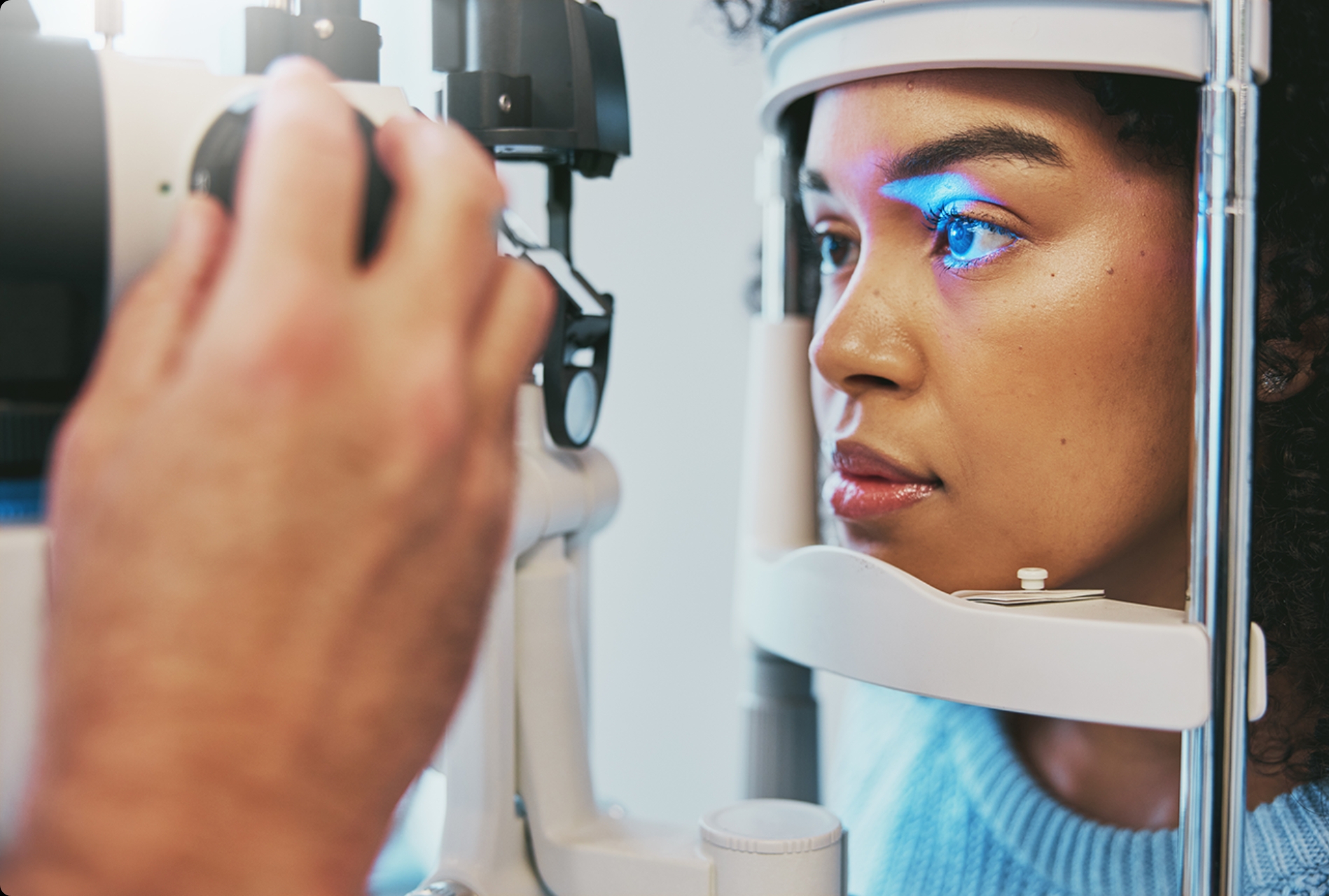
During a dilated eye exam, your ophthalmologist can detect early signs of diabetic retinopathy before you notice any vision changes. These signs include:
- Microaneurysms (tiny bulges in blood vessel walls)
- Dot-and-blot hemorrhages (small areas of bleeding)
- Cotton-wool spots (white patches indicating poor blood flow)
- Hard exates (yellow deposits of leaked lipids and proteins)
- Macular swelling or edema
Advanced imaging technology like Optical Coherence Tomography (OCT) allows doctors to see cross-sectional images of the retina, detecting even subtle swelling or fluid accumulation in the macula.
Sometimes an eye doctor is the first to identify diabetes itself. When retinal changes suggest diabetes, your ophthalmologist will recommend consulting your primary care physician for a hemoglobin A1c test to assess your blood sugar control over the previous three months.
Modern Treatment Options
Anti-VEGF Injections
The gold standard treatment for diabetic macular edema and proliferative diabetic retinopathy involves injections of anti-VEGF (vascular endothelial growth factor) medications. According to the Diabetic Retinopathy Clinical Research Network, these medications have revolutionized treatment outcomes. Anti-VEGF drugs work by:
- Blocking VEGF, a protein that promotes abnormal blood vessel growth
- Reducing vascular permeability (leakiness) in blood vessels
- Decreasing retinal swelling and fluid accumulation
- In some cases, reversing early retinal damage
While the idea of an eye injection sounds uncomfortable, the procedure is performed with numbing drops and takes only a few seconds. Most patients report minimal to no discomfort.
Corticosteroid Injections
Steroid injections can also reduce inflammation and swelling in the retina. These may be used alone or in combination with anti-VEGF therapy, particularly in cases where patients don’t respond well to anti-VEGF treatment alone.
Laser Treatment
Panretinal photocoagulation (PRP) uses laser energy to treat areas of the retina that aren’t receiving adequate blood flow. The American Society of Retina Specialists explains that PRP creates tiny burns in the peripheral retina, reducing abnormal blood vessel growth and helping preserve central vision. While anti-VEGF injections have become the first-line treatment for proliferative diabetic retinopathy, laser treatment remains an important option.
Focal laser treatment can also seal leaking blood vessels in cases of diabetic macular edema.
Vitrectomy Surgery
In advanced cases where bleeding into the vitreous (vitreous hemorrhage) doesn’t clear on its own, or when scar tissue causes retinal detachment, vitrectomy surgery may be necessary. During this procedure, the surgeon:
- Removes blood and cloudy vitreous gel
- Peels away scar tissue pulling on the retina
- Repairs retinal detachments
- Uses laser to prevent further abnormal vessel growth
While vitrectomy is typically reserved for advanced disease, it can successfully stabilize or even improve vision when performed by an experienced retina specialist.
The Power of Blood Sugar Control
Research consistently shows that maintaining healthy blood sugar levels is your most powerful tool for preventing diabetic retinopathy or slowing its progression. The landmark Diabetes Control and Complications Trial demonstrated that intensive blood sugar control reduced the risk of diabetic retinopathy developing by 76% and slowed progression by 54% in people who already had early retinopathy.
The American Diabetes Association recommends target blood glucose levels to reduce complications:
- A1c below 7% for most adults (individualized based on your situation)
- Blood pressure below 140/90 mm Hg
- Healthy cholesterol levels
Building Your Healthcare Team
Diabetes is a lifelong condition requiring ongoing monitoring and care from multiple specialists. Your healthcare team should include:
Primary Care Physician or Endocrinologist: Manages your overall diabetes care, adjusts medications, and monitors your A1c, blood pressure, and cholesterol levels.
Ophthalmologist or Retina Specialist: Performs annual dilated eye exams (or more frequently if retinopathy is detected) and provides treatment for diabetic eye disease.
Additional Specialists: Depending on your needs, this may include a nephrologist (kidney specialist), podiatrist (foot specialist), dietitian, and diabetes educator.
Regular communication among your care team ensures everyone understands your current health status and treatment plan. Don’t hesitate to ask questions or raise concerns with any member of your team.
How Often Should You Have Eye Exams?
According to clinical guidelines:
- Type 1 diabetes: First comprehensive eye exam within 5 years of diagnosis, then annually
- Type 2 diabetes: Comprehensive eye exam at the time of diagnosis, then annually
- During pregnancy: Women with diabetes should have an exam in the first trimester, with follow-up throughout pregnancy and the first year postpartum
- If retinopathy is detected: More frequent exams every 3-6 months or as recommended by your eye doctor
Even if your vision seems perfect, don’t skip your annual exam. Early diabetic retinopathy causes no symptoms, but early detection and treatment can prevent vision loss.
Warning Signs That Need Immediate Attention
While diabetic retinopathy often progresses silently, certain symptoms require urgent evaluation:
- Sudden appearance of many floaters (spots or strings in your vision)
- Flashes of light in one or both eyes
- Dark curtain or veil blocking part of your vision
- Sudden blurry vision that doesn’t improve with blinking
- Sudden vision loss in one eye
These symptoms could indicate vitreous hemorrhage or retinal detachment. Contact your Charlotte eye doctor immediately or go to the emergency room.
The Bottom Line: Early Detection Saves Vision
Diabetic retinopathy remains a serious complication of diabetes, but modern treatments have dramatically improved outcomes. The key is catching changes early, before symptoms develop. With consistent blood sugar control, regular eye exams, and prompt treatment when needed, most people with diabetes can preserve their vision for life.
If you have diabetes and haven’t had an eye exam in the past year, schedule one today. Your vision is worth protecting.