

Medically reviewed by
Gerald B. Rosen, MD
Most people who wear contact lenses enjoy them comfortably for years with minimal problems. But approximately 99% of contact lens wearers engage in at least one risky behavior that could lead to serious eye infections. Understanding how contact lenses and your corneas interact, and following proper safety guidelines, is essential to protect your vision.
Contact lens-related infections affect approximately 2-20 cases per 10,000 wearers each year, with corneal infections from all causes resulting in approximately 1 million clinic and emergency department visits annually in the United States. The good news? Most of these infections are preventable with proper contact lens hygiene and care.
Jump Ahead
- Contact Lenses and Your Corneas
- How Contact Lenses Affect Your Corneas
- Three Things You Should NEVER Do With Contact Lenses
- Two Things Contact Lens Wearers Should Regularly Do
- Corneal Ulcers Are The Most Serious Complication
Contact Lenses and Your Corneas
Contact lenses fall into two main categories, each interacting differently with your cornea.
Rigid Gas-Permeable Lenses (RGPs)
RGPs tend to provide clearer vision and let more oxygen pass through to the eye. They’re particularly useful for correcting vision in people whose corneas have an irregular shape. While they tend to be more expensive than soft lenses, they last longer.
Traditional RGPs sit directly on the cornea, moving each time you blink to let tears get under the lens. Newer scleral gas-permeable lenses are more concave and have a larger diameter. The edge sits on the white part of the eye (sclera), vaulting over the cornea, so fluid remains between the cornea and lens.
Soft Contact Lenses
Soft lenses are designed to be discarded after a period of use, whether daily, biweekly, or monthly. Many people find them more comfortable and more convenient than RGPs, though they may be less helpful if you have significant astigmatism.
Although the FDA has approved certain soft lenses for extended (overnight) wear, cornea specialists strongly warn that overnight wear greatly increases the risk of corneal ulcer infection, which can be extremely painful and lead to permanent vision loss.
Daily Disposable Lenses Are The Safest Option
Daily disposable contact lenses represent the gold standard for contact lens safety. Because you discard them each night and start fresh every morning, they eliminate the risk of contamination from lens cases, reduce protein buildup, and provide the lowest infection risk of any contact lens type.
How Contact Lenses Affect Your Corneas
Over time, contact lenses can reshape your corneas.
- Traditional RGPs cause the most corneal reshaping
- Scleral lenses cause less reshaping than traditional RGPs
- Soft lenses cause even less corneal warping
- All contact lenses can cause some amount of corneal shape changes
If you leave lenses out for extended periods, your corneas gradually return to their natural shape. This is why Charlotte ophthalmologists recommend that patients planning cataract surgery or LASIK take their lenses out well in advance. Accurate measurements of your natural corneal shape are essential for achieving the best surgical outcomes.
Three Things You Should NEVER Do With Contact Lenses
1. Never Sleep in Contact Lenses
A brief 30-minute nap isn’t a major concern, but overnight sleep significantly increases your risk of corneal ulcer, the number-one reason for corneal transplants.
Why is it so dangerous to wear contacts overnight?
- Your cornea receives less oxygen when your eyes are closed
- Contact lenses further restrict oxygen flow
- This creates an ideal environment for bacterial growth
- Infections can cause significant vision impairment within just 24 hours
Infection severity ranges from:
- Mild: Temporary irritation treated with antibiotic drops, may leave a small scar (hopefully not in the center of the cornea)
- Severe: Permanent scars, extreme pain, and permanent vision loss
- Critical: Corneal perforation requiring emergency corneal transplant
2. Never Wear Lenses in Water
Don’t wear contact lenses while swimming or showering. Some water-borne bacteria, when combined with contact lens wear, can cause some of the most severe corneal ulcer infections.
Additional water-related risks
- The change in humidity in a shower can alter the shape of your contacts
- Lenses may stick to your eye, making them difficult to remove
- Acanthamoeba, a parasite found in water, causes particularly devastating infections
3. Never Handle Contacts Without Washing Your Hands
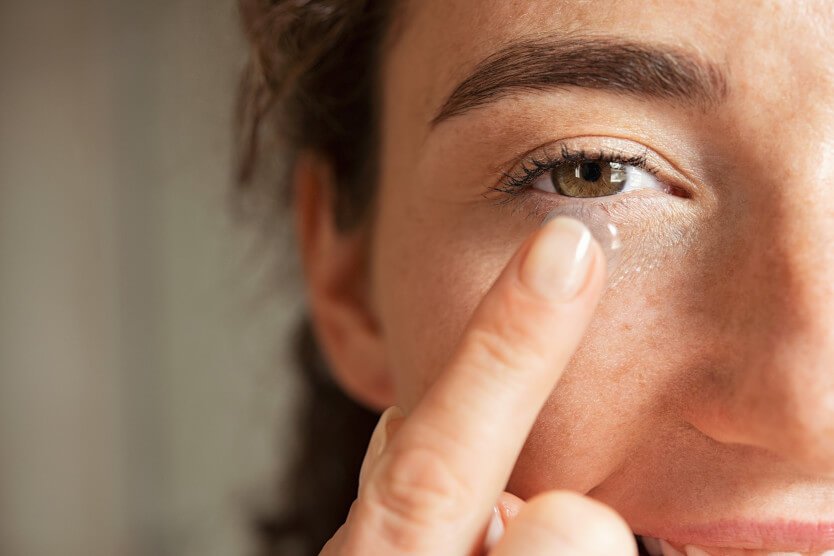
Always wash your hands thoroughly before handling contact lenses, and use only recommended contact lens solutions, never plain water, to clean and store them.
Important hygiene practices
- If you splash water on your face, close your eyes first
- Avoid rubbing your eyes vigorously, which can injure corneas anytime but especially when wearing contacts
- Never use tap water to rinse lenses or lens cases
- Replace your contact lens case every 3 months
Two Things Contact Lens Wearers Should Regularly Do
1. Listen to Your Body
If any type of lens causes irritation, remove them immediately. Keep prescription eyeglasses handy for backup visual clarity. Your eyes are telling you something is wrong, and continuing to wear lenses through discomfort can lead to serious complications.
Warning signs requiring immediate contact lens removal
- Eye discomfort or foreign body sensation
- Redness, especially around the cornea
- Excessive tearing
- Light sensitivity
- Eye discharge
- Blurred vision
- Severe pain
Seek immediate medical attention if you experience:
- Severe eye pain
- Sudden vision changes
- Significant redness that doesn’t improve after lens removal
- Any of these symptoms combined with contact lens wear
2. Get Annual Eye Exams
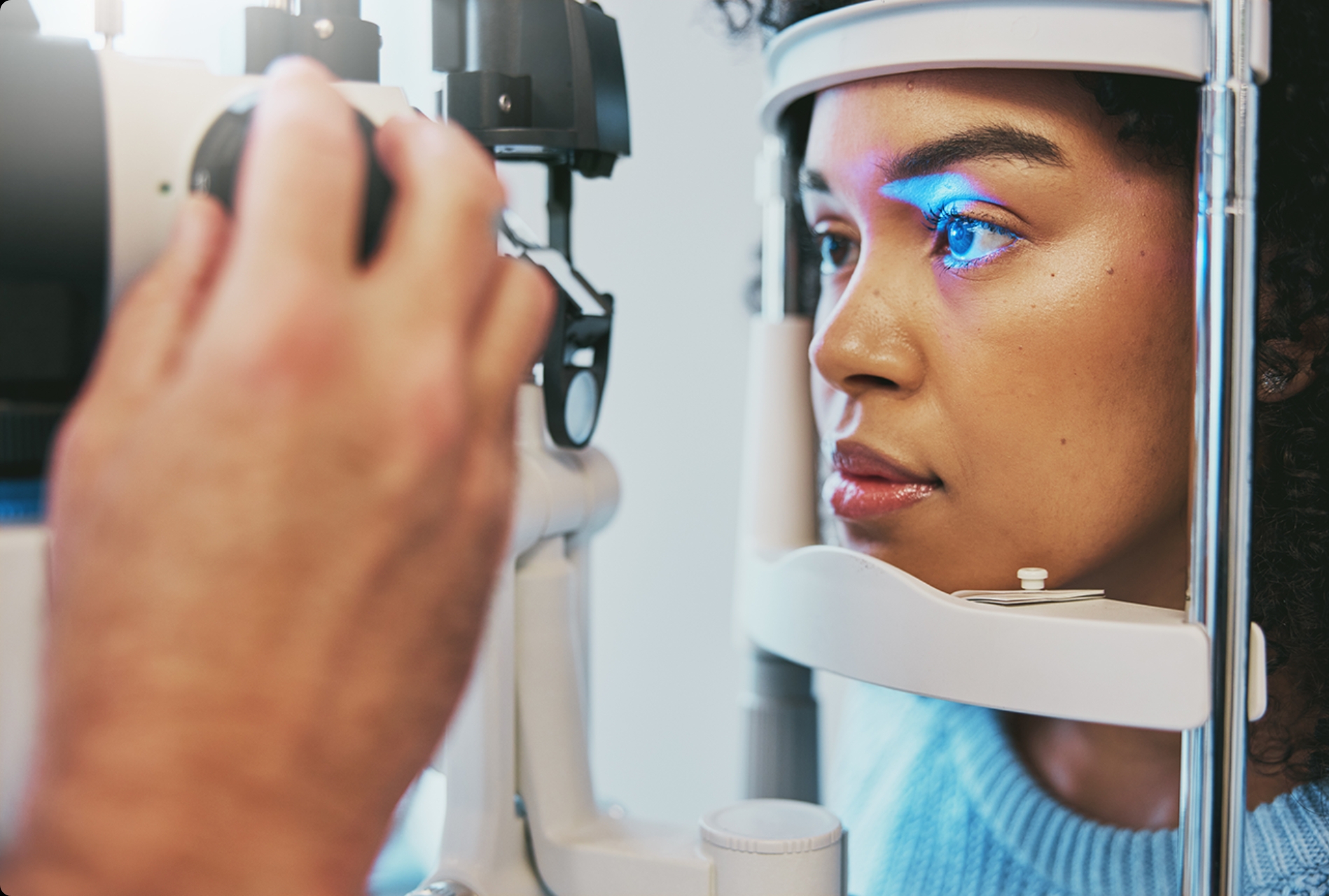
During your annual eye exam, your eye doctor will check both your contact lenses and your corneas to see if you need a new prescription and, more importantly, whether hidden issues have arisen.
What your doctor looks for:
- Corneal neovascularization: Blood vessels that grow into your cornea from excess lens wear or chronic hypoxia
- Stem cell damage: Signs of damage to corneal stem cells from overwear
- Giant papillary conjunctivitis: Inflammation under the eyelids due to protein buildup on contacts
- Corneal warping: Changes in corneal shape from lens wear
- Early signs of infection: Problems you may not yet feel
Doctors sometimes suggest disposable soft lenses, particularly daily disposables, for people who secrete more protein in their tear film or have difficulty maintaining proper lens hygiene.
Corneal Ulcers Are The Most Serious Complication
Corneal ulcers represent a vision-threatening emergency that requires immediate medical attention. Understanding the risk factors and symptoms can help you prevent this serious complication.
Common Risk Factors for Contact Lens-Related Corneal Ulcers
- Overnight wear or sleeping in lenses
- Extended continuous wear (wearing lenses longer than prescribed)
- Swimming or showering while wearing lenses
- Using expired lenses or solutions
- Storing lenses in tap water
- Poor hand hygiene when handling lenses
- Overwear (wearing lenses too many hours per day)
- Dry eye conditions
- Smoking
Most Common Infectious Organisms
CDC data shows the most frequently identified pathogens in contact lens-related corneal infections include:
- Pseudomonas (most common bacterial cause)
- Acanthamoeba (parasitic infection from water exposure)
- Fusarium (fungal infection)
- Staphylococcus species
Frequently Asked Questions About Contact Lens Safety
How long can I safely wear my contact lenses each day?
Most contact lenses are designed for 12-16 hours of daily wear, but individual tolerance varies. Remove your lenses earlier if you experience any discomfort, dryness, or vision changes. Never exceed the wearing time recommended by your eye care provider.
Can I reuse contact lens solution?
No. Never “top off” old solution in your lens case. Always empty the case completely, rinse with fresh solution (never water), allow it to air dry, and fill with fresh solution each time you store your lenses.
What should I do if my contact lens gets stuck in my eye?
Don’t panic. First, try rewetting drops or artificial tears to lubricate your eye. Gently massage your closed eyelid. If the lens still won’t move, don’t force it. Contact your eye care provider immediately for assistance.
Are daily disposable lenses worth the extra cost?
For most people, yes. When you consider the cost of solutions, lens cases, and the significantly reduced risk of serious infections, daily disposables often provide excellent value alongside superior safety and convenience.
Your Vision Deserves the Best Care
Contact lenses provide safe, effective vision correction for millions of people when worn and cared for properly. By following these safety guidelines, maintaining excellent hygiene, and getting regular eye exams, you can enjoy the benefits of contact lenses while protecting your corneal health.
If you experience any signs of infection or have questions about proper contact lens care, don’t hesitate to contact Horizon Eye Care.