

Medically reviewed by
Harold H. Cameron, MD
We don’t often think about how diet affects our eyesight, yet wise nutritional choices can help maintain vision health and prevent deterioration as we age or develop eye disease. The good news: the same diet that helps your heart is also excellent for your eyes.
Jump Ahead
- Heart-Healthy Equals Eye-Healthy
- Key Nutrients for Vision
- Mediterranean Diet Benefits
- AREDS2 Supplements
- Omega-3 for Dry Eye
The Heart-Eye Connection
Your eyes rely on tiny arteries for oxygen and nutrients, just as your heart depends on much larger arteries. Simply put, anything healthy for your cardiovascular system is also beneficial for your eyes. Eating a diet low in fat and rich in fruits, vegetables, and whole grains helps keep those critical eye arteries healthy and functioning optimally.
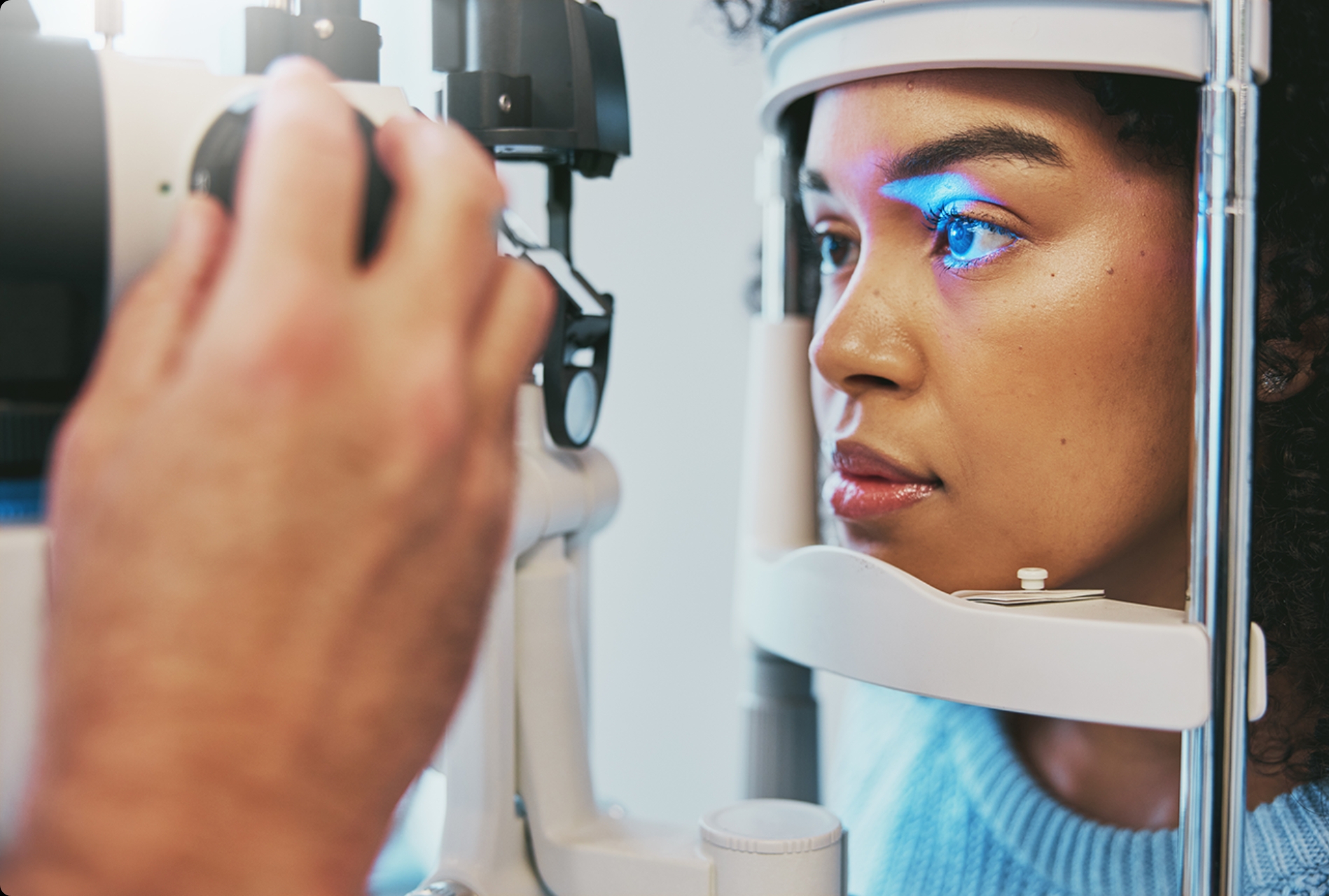
This connection makes sense when you consider that your eyes are the only place in the body where a doctor can directly observe blood vessels without surgery. These delicate vessels provide a window into your overall vascular health, which is why comprehensive eye exams can sometimes detect conditions like diabetes, high blood pressure, and even cardiovascular disease before they’re diagnosed elsewhere.

Essential Nutrients for Eye Health
Specific vitamins, minerals, and other compounds play crucial roles in maintaining healthy vision and reducing the risk of age-related eye diseases.
Vitamin C
This powerful antioxidant protects eyes from damage caused by free radicals and may reduce the risk of cataracts and age-related macular degeneration.
Best Sources: Oranges, grapefruit, kiwifruit, strawberries, tomatoes, red and green peppers, broccoli
Vitamin E
Another potent antioxidant that helps maintain healthy eye cells and may protect against age-related damage.
Best Sources: Almonds, sunflower seeds, olive oil, avocados
Lutein and Zeaxanthin
These carotenoids are naturally found in the retina and macula, where they filter potentially harmful blue light and act as antioxidants. Research shows that diets high in lutein reduce cataract risk by 23%.
Best Sources: Kale, spinach, collard greens, Swiss chard, broccoli, asparagus, eggs, raspberries, papaya, peaches, mangoes
Why They Matter: Lutein and zeaxanthin are concentrated in the macula, the area of the eye responsible for central, detailed vision. People with higher levels of these nutrients can see approximately 20-30% farther than those with low levels, making distance vision noticeably sharper.
Zinc
This essential mineral helps keep the retina healthy and may protect eyes from light-induced damage. However, zinc can lower copper levels, so it’s important to maintain balance.
Best Sources: Legumes (black-eyed peas, kidney beans, lima beans), oysters, lean red meat, poultry, fortified cereals
Beta-Carotene (Vitamin A)
Supports night vision and overall eye health by helping the retina convert light into electrical signals.
Best Sources: Carrots, sweet potatoes, apricots, cantaloupe
The Mediterranean Diet Advantage
Research consistently shows that following a Mediterranean diet provides significant protection against age-related macular degeneration (AMD), the leading cause of vision loss in older adults. According to Dr. Emily Chew of the National Eye Institute, “For people who have or are at risk for macular degeneration at any stage, following the Mediterranean diet can lower your rate of disease progression by 25% or more.”
What the Mediterranean Diet Includes
High Consumption
- Green leafy vegetables, fruits, nuts, whole grains, and legumes
- Olive oil as the primary fat source (instead of butter)
- Fish and seafood as the main protein source
- Moderate amounts of dairy products
Limited Consumption
- Red meat (eat sparingly)
- Processed foods
- Refined sugars and grains
Beyond eye health, this eating pattern is associated with reduced risk of heart disease, dementia, cognitive impairment, and certain cancers. For people with or at risk for diabetes, the Mediterranean diet also functions as a low-glycemic index diet, helping manage blood sugar and protect against diabetic retinopathy.
Mediterranean Diet Research
European and Portuguese studies found that people who ate at least 150 grams (just over 5 ounces) of fruit daily lowered their AMD risk by 15%. Conversely, those with AMD more often consumed fast food, ready-made meals, dairy products, and meat compared to people without macular degeneration.
Eye Vitamins for Age-Related Macular Degeneration
For people with intermediate or advanced age-related macular degeneration, specialized supplements based on the Age-Related Eye Disease Study 2 (AREDS2) formula can significantly slow disease progression.
AREDS2 Research
The AREDS and AREDS2 clinical trials, conducted by the National Eye Institute between 1992 and 2012, demonstrated that specific nutritional supplements reduce the risk of AMD progression by approximately 25% over five years. A 2024 analysis also found that AREDS2 supplements can slow the progression of geographic atrophy (advanced dry AMD) by 55% over three years.
The AREDS2 formula replaced beta-carotene with lutein and zeaxanthin after research showed beta-carotene nearly doubled lung cancer risk in current and former smokers. Long-term follow-up confirmed lutein and zeaxanthin provide equal or better protection without the cancer risk.
The AREDS2 Formula
- Vitamin C: 500 mg
- Vitamin E: 400 IU
- Lutein: 10 mg
- Zeaxanthin: 2 mg
- Zinc (as zinc oxide): 80 mg
- Copper (as cupric oxide): 2 mg (added to prevent zinc-related copper deficiency)
Important Considerations
- These high levels of vitamins and minerals are difficult to achieve through diet alone
- AREDS2 supplements are recommended ONLY for people with intermediate or advanced AMD
- They do NOT prevent AMD onset in people without the disease
- They do NOT restore vision that has already been lost
- Current and former smokers should take the AREDS2 formula (with lutein/zeaxanthin) and avoid formulas containing beta-carotene
People with low dietary intake of lutein and zeaxanthin showed the greatest benefit from supplementation, with a 26% reduced risk of progressing to advanced AMD compared to those taking the original AREDS formula.
Where to Find AREDS2 Supplements
AREDS2 supplements are available over-the-counter at drugstores and online, including at Horizon Eye Care’s online store. When choosing a product, verify that the label specifically says “AREDS2 formula” and that the listed vitamins and minerals match the amounts above. If uncertain, ask your ophthalmologist for recommended brands.
Omega-3 Fatty Acids for Dry Eye Disease
Omega-3 fatty acids, particularly EPA (eicosapentaenoic acid) and DHA (docosahexaenoic acid), have shown promise in managing dry eye disease, though research results have been mixed.
The Research
Multiple studies and meta-analyses have found that omega-3 supplementation can significantly improve dry eye symptoms and signs, particularly:
Effectiveness Factors
- Dosage: Higher doses show better results. Most beneficial studies used 1,000-3,000 mg daily of combined EPA and DHA.
- Duration: Longer treatment periods (3-6 months) produce more significant improvements.
- EPA Percentage: Higher EPA content correlates with better symptom reduction.
- Baseline Omega-3 Levels: People with low dietary omega-3 intake benefit most from supplementation.
Studies show omega-3 supplementation can improve tear production (measured by Schirmer test), increase tear film break-up time, reduce tear osmolarity, and alleviate dry eye symptoms. Research also suggests neuroprotective effects, with increased corneal nerve density in patients taking omega-3 supplements.
How Omega-3s Help Dry Eyes
Omega-3 fatty acids have anti-inflammatory properties that may:
- Alter meibomian gland secretions, improving the oil layer that prevents tear evaporation
- Reduce ocular surface inflammation
- Support lacrimal gland function and tear production
- Enhance corneal nerve health
Dietary Sources of Omega-3
Cold-Water Fish (richest sources)
- Salmon
- Mackerel
- Tuna
- Sardines
- Trout
- Herring
Plant Sources
- Walnuts
- Flaxseeds
- Chia seeds
- Plant oils
Eat fish rich in omega-3 fatty acids twice weekly for eye and heart health. Pregnant women should consult their doctors about safe fish consumption due to mercury levels in certain species.
Supplements
Not all omega-3 supplements are created equal. Lower-quality supplements may not be as absorbable in the gut, reducing their effectiveness. Look for high-quality fish oil supplements in triglyceride form rather than ethyl ester form for better absorption.
The FDA has established an acceptable daily intake of 3,000 mg (3 grams) of combined EPA and DHA from natural fish oil sources, but only under physician supervision, as higher doses may cause excessive bleeding in some people.
Foods That Support Overall Eye Health
The American Academy of Ophthalmology has identified numerous foods particularly beneficial for vision health.
- Leafy Greens: Kale, spinach, collard greens, Swiss chard
- Colorful Vegetables: Bell peppers (red and green), tomatoes, carrots, sweet potatoes, broccoli
- Citrus Fruits: Oranges, grapefruit, lemons
- Berries: Strawberries, raspberries, blueberries
- Nuts and Seeds: Almonds, sunflower seeds, walnuts, chia seeds
- Fish: Salmon, tuna, sardines, mackerel, trout
- Legumes: Beans (black-eyed peas, kidney beans, lima beans), lentils
- Eggs: Excellent source of lutein, zeaxanthin, and zinc
- Whole Grains: Brown rice, quinoa, whole wheat bread
What to Limit
- High-fat, high-cholesterol foods
- Processed foods with refined grains, sugars, and excessive salt
- Fast food and ready-made meals
- Excessive alcohol
Ways to Protect Your Vision Beyond Nutrition
While good nutrition is fundamental to eye health, combining a healthy diet with these additional practices maximizes vision protection.
- Avoid Smoking: Smoking is linked to increased risk of cataracts, macular degeneration, and optic nerve damage. It also lowers blood levels of beneficial antioxidants like lutein.
- Moderate Alcohol Intake: Excessive alcohol consumption can negatively impact nutrient absorption and increase oxidative stress.
- Maintain Physical Activity: Regular exercise supports cardiovascular health, which directly benefits eye health by maintaining healthy blood flow to the eyes.
- Protect Your Eyes: Wear UV-blocking sunglasses outdoors and appropriate protective eyewear during sports or yard work.
- Get Regular Eye Exams: Annual comprehensive eye examinations are essential for early detection of eye diseases, many of which show no symptoms in early stages. Your eye doctor in Charlotte can also detect signs of systemic conditions like diabetes, high blood pressure, and cardiovascular disease.
Start Eating for Better Vision Today
Good nutrition plays a vital role in maintaining healthy vision throughout life. While vitamins and supplements cannot cure eye disease or restore vision already lost, a diet rich in antioxidants, omega-3 fatty acids, and other key nutrients can significantly reduce your risk of developing age-related eye conditions.
The Mediterranean diet, emphasizing colorful fruits and vegetables, fish, whole grains, and healthy fats, offers proven benefits for both eye and overall health. For those with intermediate or advanced macular degeneration, AREDS2 supplements provide additional protection against disease progression.
Start eating well now to benefit your vision and overall health for the rest of your life. Combined with regular eye exams, good nutrition gives you the best chance of maintaining healthy vision as you age. Contact Horizon Eye Care to schedule your comprehensive evaluation.