


Medically reviewed by
W. Riley Stroman, MD
The bad news for women is that their half of the population faces a higher likelihood of glaucoma and age-related macular degeneration, two leading causes of blindness. According to research from Prevent Blindness America, women account for approximately two-thirds of blindness and visual impairment cases worldwide.
The good news? The likelihood of these diseases rises as we get older, and the people most likely to suffer are over 80. Statistics show that women 85 and up outnumber men of that age almost 2 to 1. So, the imbalance in vision problems is due mostly to longevity rather than inherent biological differences.
Understanding Gender-Based Eye Health Disparities
Why Women Face Higher Vision Loss Rates
Several factors contribute to women’s increased risk of vision problems:
Longevity
Women live approximately 5 years longer than men on average according to the CDC’s National Center for Health Statistics, giving age-related eye diseases more time to develop. Since conditions like macular degeneration and glaucoma typically appear after age 60 and progress over time, women’s longer lifespans naturally lead to higher rates of these conditions.
Hormonal Changes
Fluctuations in estrogen and other hormones throughout a woman’s life, particularly during pregnancy, menopause, and with hormone replacement therapy, can affect eye health and tear production according to research from the American Academy of Ophthalmology.
Autoimmune Diseases
Women are significantly more likely to develop autoimmune conditions like rheumatoid arthritis, lupus, and multiple sclerosis. The National Institutes of Health reports that approximately 80% of autoimmune disease patients are women. These diseases can cause serious eye complications including uveitis, scleritis, and dry eye syndrome.
Eye Conditions More Common in Women
Dry Eye Disease
Women are twice as likely as men to develop Dry Eye Disease, a group of disorders caused by insufficient tear production or poor tear quality. According to research published in the American Journal of Ophthalmology, approximately 3.2 million women over age 50 experience dry eye symptoms compared to 1.68 million men in the same age group.
Risk factors particularly affecting women include:
- Hormonal changes during menopause
- Hormone replacement therapy
- Pregnancy-related changes
- Certain autoimmune conditions more common in women
Age-Related Macular Degeneration (AMD)
Women represent approximately 65% of AMD cases in the United States according to Prevent Blindness America. This leading cause of vision loss in people over 50 affects the macula, the part of the retina responsible for central vision. Risk increases significantly after age 60, and since women live longer, they face greater lifetime risk.
Glaucoma
While open-angle glaucoma affects men and women fairly equally, women are 2-4 times more likely to develop angle-closure glaucoma according to the Glaucoma Research Foundation, a more acute and dangerous form of the disease.
Cataracts
Studies show women are slightly more likely to develop cataracts than men, possibly due to hormonal factors and longer lifespans. According to the National Eye Institute, by age 80, more than half of all Americans either have cataracts or have had cataract surgery.
Cancer Treatment and Eye Health
Breast cancer is the most common cancer in American women (excluding skin cancers), with 1 in 8 women developing invasive breast cancer during their lifetime according to the American Cancer Society. Certain cancer treatments can have harmful effects on eye health.
Chemotherapy
Some chemotherapy drugs can cause dry eyes, cataracts, and even damage to the optic nerve or retina according to research published in Survey of Ophthalmology.
Hormone Therapy
Tamoxifen and similar medications used in breast cancer treatment can increase risk of cataracts and retinal changes.
Radiation
When used near the head or neck, radiation therapy may damage the lacrimal glands, causing dry eye, or affect the lens, leading to cataracts.
If you’re undergoing cancer treatment, inform your eye doctor so they can monitor for potential complications and provide appropriate preventive care.

Women’s Health Advantages
Despite facing higher risks for certain eye conditions, women demonstrate several advantages in eye health management:
Better Healthcare Utilization
Research from the Agency for Healthcare Research and Quality consistently shows women are more likely to schedule and attend regular medical appointments, including comprehensive eye exams.
Lower Trauma Risk
Women experience significantly fewer sports-related and occupational eye injuries than men, likely due to differences in activity choices and occupational hazards.
Reduced Smoking Rates
According to CDC data, adult women smoke at lower rates than men (13.6% vs. 16.7%), reducing their risk of smoking-related eye diseases.
Advice for Protecting Your Vision
Regardless of gender, following these evidence-based recommendations can help preserve your eyesight.
Quit Smoking
Smoking dramatically increases risk of:
- Cataracts (2-3 times higher risk according to the National Eye Institute)
- Age-related macular degeneration (2-4 times higher risk)
- Diabetic retinopathy
- Dry eye syndrome
Research shows that quitting smoking at any age reduces these risks. Women do slightly better than men here, with current smoking rates of 13.6% for adult women versus 16.7% for adult men according to CDC data.
Eat a Vision-Healthy Diet
Specific nutrients support eye health:
Lutein and Zeaxanthin
Found in dark leafy greens like spinach, kale, and collard greens. These antioxidants accumulate in the retina and may reduce AMD risk by up to 25% according to the Age-Related Eye Disease Studies (AREDS).
Omega-3 Fatty Acids
Present in fatty fish (salmon, tuna, sardines). Studies published in Ophthalmology show omega-3s reduce dry eye symptoms and may protect against AMD. Aim for at least two servings of fish weekly.
Vitamin C and E
Found in citrus fruits, berries, nuts, and seeds. These antioxidants protect eye cells from damage.
Beta-Carotene
Present in orange vegetables like carrots, sweet potatoes, and butternut squash. Your body converts beta-carotene to vitamin A, essential for healthy vision.
Exercise Regularly
Regular physical activity reduces risk of:
- Glaucoma (25% risk reduction with moderate exercise according to JAMA Ophthalmology)
- Diabetic retinopathy (by helping control blood sugar)
- Age-related macular degeneration
Aim for at least 150 minutes of moderate aerobic activity weekly, as recommended by the American Heart Association.
Protect Your Eyes from UV Radiation
Cumulative UV exposure increases risk of cataracts, macular degeneration, and eye cancers. Always wear:
- Sunglasses with 100% UV protection (look for UV400 rating) or prescription sunglasses
- Wide-brimmed hats when outdoors in bright sunlight
- UV-blocking sunglasses for children (their eyes are more vulnerable to UV damage)
Wear Protective Eyewear
Use appropriate eye protection during:
- DIY projects and home repairs
- Yard work (especially mowing, trimming, or using power tools)
- Sports and recreational activities
- Occupational hazards
- Fireworks displays
Manage Chronic Health Conditions
Diabetes, high blood pressure, and high cholesterol all increase risk of eye disease according to the Centers for Disease Control and Prevention. Work with your healthcare team to:
- Maintain healthy blood sugar levels
- Control blood pressure
- Manage cholesterol through diet, exercise, and medication if needed
The Importance of Regular Eye Exams
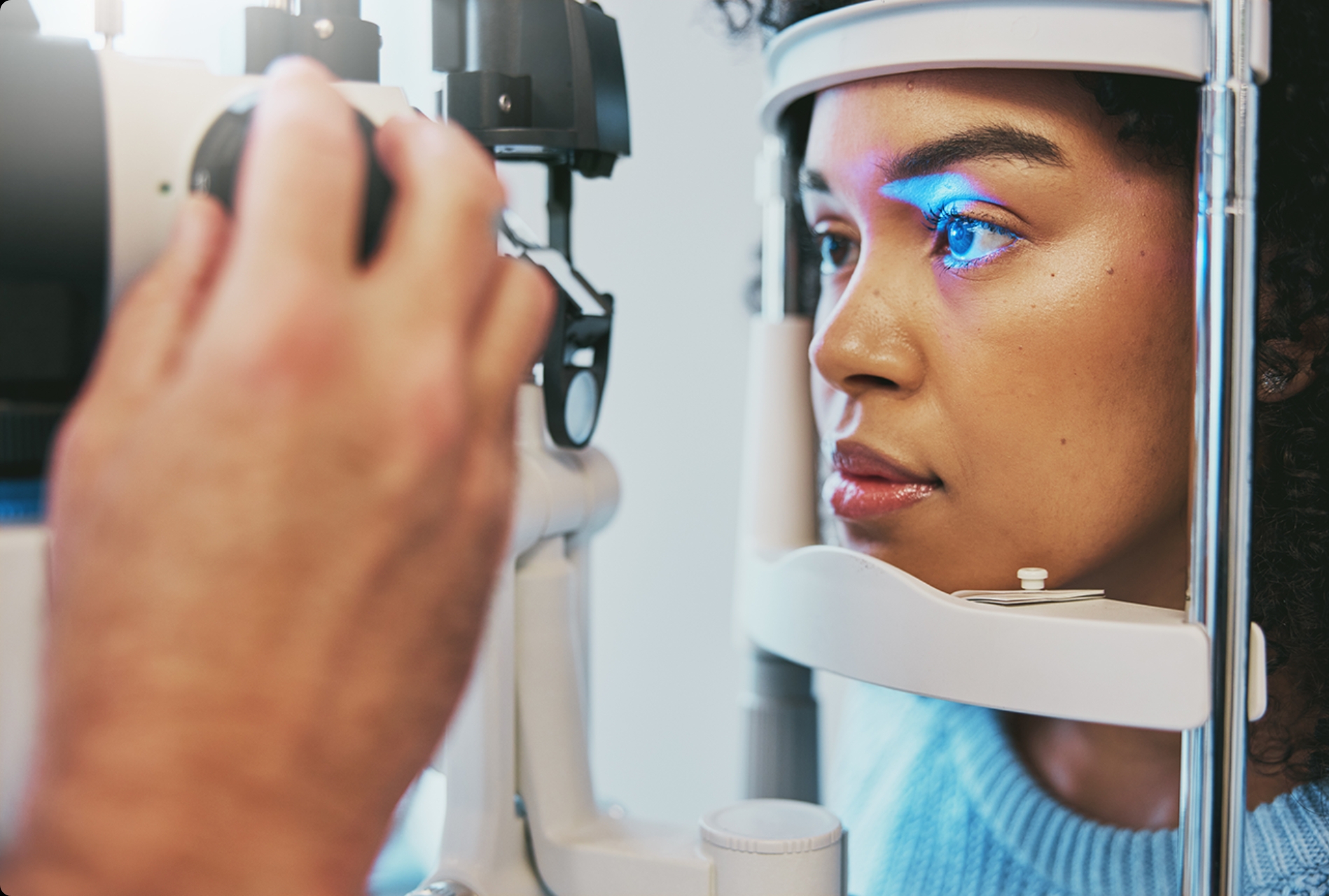
Perhaps most crucially, schedule comprehensive eye exams regularly. Your Charlotte eye doctor can detect early signs of disease before you notice symptoms, when treatment is most effective.
Recommended Exam Frequency
Every 2-3 years if you:
- Are under 40 with no risk factors
- Have no personal or family history of eye disease
- Have no chronic health conditions affecting the eyes
Annually if you:
- Are over 40 (glaucoma risk increases)
- Are over 60 (multiple age-related conditions become more common)
- Have diabetes (diabetic retinopathy screening)
- Have a family history of eye disease
- Wear contact lenses
- Take medications affecting the eyes
- Have high blood pressure or other chronic conditions
What Eye Exams Can Detect
Beyond checking vision, comprehensive eye exams can reveal:
- Glaucoma (often no symptoms until advanced)
- Diabetic retinopathy (90% of diabetes-related blindness is preventable with early detection according to the National Eye Institute)
- Macular degeneration
- Cataracts
- Signs of high blood pressure, high cholesterol, or diabetes
- Certain cancers and autoimmune diseases
Early detection dramatically improves treatment outcomes for virtually all eye conditions.
Frequently Asked Questions
Why are women more affected by certain eye diseases?
The higher rates of blindness and visual impairment in women result primarily from longevity. Women live approximately 5 years longer than men on average, giving age-related eye diseases more time to develop. Hormonal factors and higher rates of autoimmune diseases also contribute.
At what age should I start annual eye exams?
Most eye care professionals recommend annual comprehensive eye exams starting at age 40, when many age-related eye conditions begin developing. However, those with risk factors (diabetes, family history, high blood pressure) should have annual exams regardless of age.
Can hormone replacement therapy affect my eyes?
Yes, hormone replacement therapy can increase risk of dry eye disease and may affect other aspects of eye health. If you’re considering or currently using hormone replacement therapy, discuss potential eye health implications with both your gynecologist and eye doctor.
How can I reduce my risk of dry eye during menopause?
Stay well-hydrated, use a humidifier in dry environments, take regular breaks from screens, consider omega-3 supplements (after consulting your doctor), and use preservative-free artificial tears. If symptoms persist, see your eye doctor for comprehensive evaluation and treatment options.
Take Action for Your Eye Health
Don’t wait for vision problems to develop. Schedule your comprehensive eye examination today. The faster a problem gets detected, the more effectively your doctor can treat it and preserve your vision for years to come.