

Medically reviewed by
Kevin R. Tomasko, Jr., MD
If you’ve noticed your upper eyelid drooping and affecting your vision or appearance, you’re not alone. Ptosis, the medical term for droopy eyelids, affects between 4.7% and 13.5% of adults, with the incidence increasing with age. The good news? You may not need surgery to find relief.
The FDA approved Upneeq eye drops on July 8, 2020, giving patients with acquired ptosis access to the first and only non-surgical prescription treatment for this common condition. The innovative drops offer a less invasive alternative to traditional surgical correction, working in as little as 5 to 15 minutes to lift drooping eyelids.
Jump Ahead
- Ptosis is More Than Just Tired-Looking Eyes
- Non-Surgical Ptosis Treatment
- Are You a Candidate for Upneeq Eye Drops?
- Do Eye Lift Drops Really Work?
- Are There Over-the-Counter Eye Drops for Droopy Eyelids?
- Upneeq vs. Ptosis Surgery
- What to Expect When Using Upneeq Eye Drops
- FAQs
Ptosis is More Than Just Tired-Looking Eyes
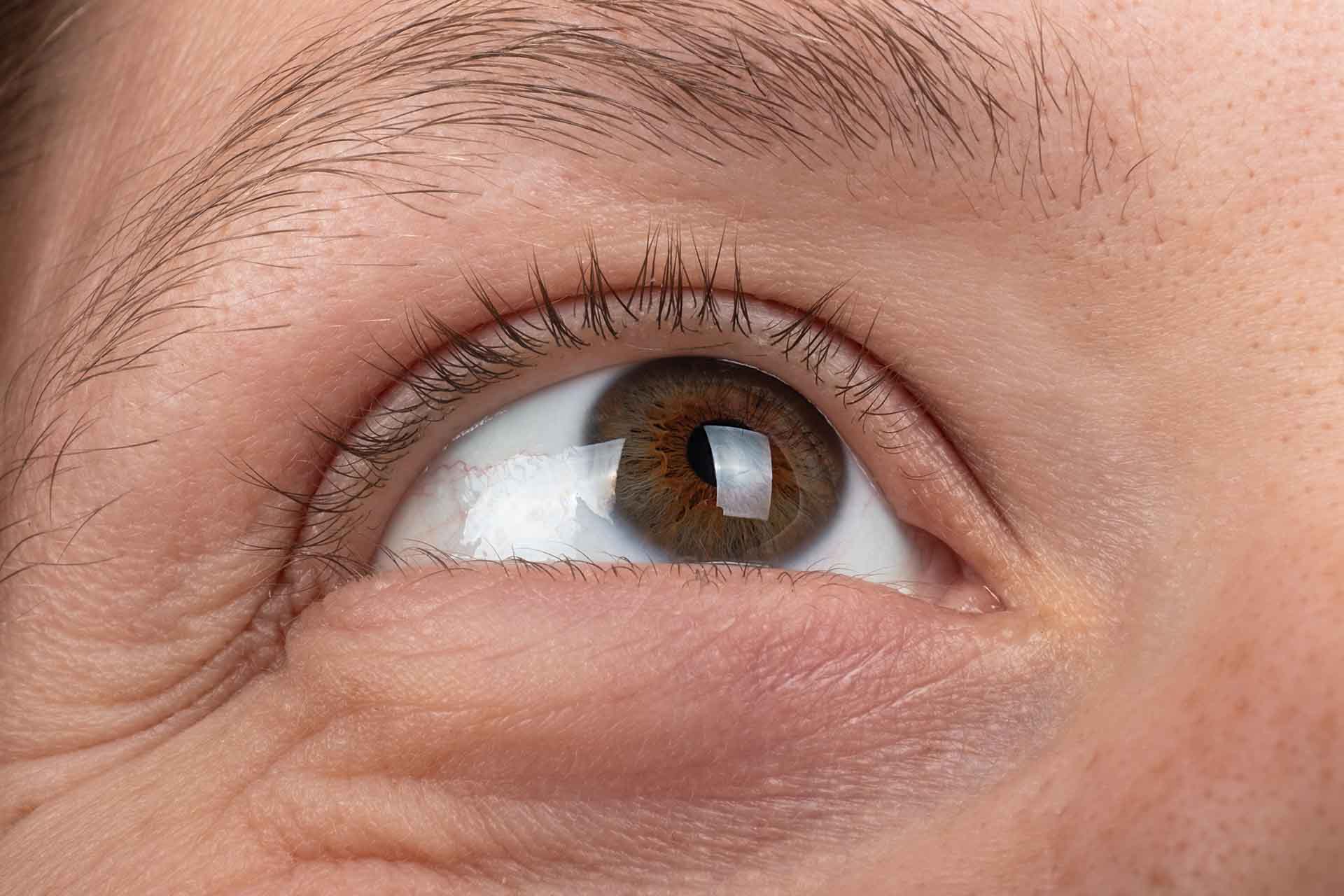
Ptosis (pronounced “toe-sis”) occurs when the upper eyelid droops below its normal position, potentially covering part or all of the pupil. This drooping results from problems with one or both muscles responsible for lifting the eyelid: the levator palpebrae superioris and Müller’s muscle (also called the superior tarsal muscle).
Types of Ptosis
Congenital Ptosis
Present from birth, this form affects about 1 in 842 births and results from developmental abnormalities in the levator muscle. While some individuals like actor Forest Whitaker are born with ptosis, most cases develop later in life.
Acquired Ptosis
The most common form, typically appearing in the fifth or sixth decade of life with an average age 67-68 years. Also known as aponeurotic or involutional ptosis, this condition develops when the levator tendon stretches, weakens, or separates from its attachment point on the eyelid.
Common Causes of Acquired Ptosis
Acquired ptosis doesn’t simply come with age automatically. Several factors can contribute to or accelerate its development.
- Natural aging: Decreasing muscle tone and thinning of the levator muscle
- Contact lens wear: Prolonged use can stretch eyelid structures
- Previous eye surgeries: Cataract surgery and other procedures can impact the levator tendon
- Frequent eye rubbing: Can stress and stretch the levator attachment
- Certain medications: Particularly long-term use of eye drops for glaucoma treatment
- Eyelid inflammation or swelling: Chronic conditions affecting the eyelid
- Trauma or injury: Direct damage to eyelid muscles or nerves
How Ptosis Affects Daily Life
Beyond cosmetic eye concerns that create a “tired” or “sleepy” appearance, ptosis causes significant functional problems including visual field obstruction, eyelid heaviness and fatigue, compensatory behaviors like raising eyebrows excessively (causing forehead wrinkles and headaches), altered head position, and difficulties with reading and driving. These limitations can significantly decrease independence and quality of life, while appearance-related concerns may contribute to anxiety and depression.
How Upneeq Eye Drops Work & The Science Behind Non-Surgical Ptosis Treatment
Unlike surgical correction that repairs or tightens the levator muscle, Upneeq takes a completely different approach by targeting Müller’s muscle: the secondary muscle that helps elevate your eyelid.
The Mechanism of Action
Upneeq’s active ingredient, oxymetazoline hydrochloride (0.1%), falls into a category of medications called sympathetic agonists. These drugs trigger involuntary responses similar to what your nervous system produces during a fight-or-flight response.
Think about what happens to your eyes when you’re startled or frightened: they open wide and quickly, completely involuntarily. This natural response occurs because your sympathetic nervous system activates Müller’s muscle. Upneeq mimics this effect by stimulating the α1 and α2 adrenergic receptors in Müller’s muscle, causing it to contract and lift the drooping eyelid.
Clinical Results
- Average eyelid lift of 1 millimeter in responsive patients
- Effect begins within 5-15 minutes of application
- Duration of 6-8 hours per dose
- Daily use required to maintain results
While this elevation may seem modest, for patients with mild to moderate ptosis where the eyelid isn’t completely closed over the pupil, this 1mm lift can significantly improve peripheral vision for driving and navigation, ability to read comfortably, overall field of vision, and cosmetic appearance.
Are You a Candidate for Upneeq Eye Drops?
Ideal Candidates
Upneeq can be safely used once daily by most patients with acquired ptosis, including:
- Adults with mild to moderate ptosis where vision is impaired but the pupil isn’t completely covered
- Contact lens wearers (both soft and gas-permeable lenses)
- Patients wanting to delay or avoid surgery while still improving function
- Those seeking temporary improvement for specific activities or times of day
- Individuals testing whether eyelid lift will benefit them before considering eyelid surgery
Who Should Not Use Upneeq
Certain patients should avoid Upneeq eye drops due to potential medication interactions or health risks.
Cardiac Conditions
- Coronary artery disease
- High blood pressure (hypertension)
- Low blood pressure (hypotension)
- Heart rhythm disorders
- Recent heart attack or stroke
Other Contraindications
- Narrow-angle glaucoma
- Known allergy to oxymetazoline
- Concurrent use of MAO inhibitors
- Pregnancy or breastfeeding (consult your doctor)
Potential Side Effects
Clinical studies following patients for up to 12 weeks have shown Upneeq to be generally safe, with most side effects being mild and temporary. Approximately 1%-5% of patients may experience:
- Eye redness or irritation
- Dry eyes
- Mild blurred vision
- Headaches
- Eye discomfort or pain
Side effects typically stop when you discontinue the product. Unlike nasal decongestant sprays that can cause rebound congestion or dependency, current studies show Upneeq doesn’t cause increased ptosis or worsen the condition with use based on research up to 12 weeks.
Unexpected Benefits
Because Upneeq acts as a vasoconstrictor (causing blood vessels to temporarily narrow), some patients notice an additional benefit: reduced eye redness. This effect can make eyes appear brighter and more alert, enhancing the overall cosmetic improvement.
Do Eye Lift Drops Really Work?
This is one of the most common questions patients ask about Upneeq, and the honest answer is: it depends on your specific situation.
What Makes Upneeq Effective
For the right candidates, Upneeq can provide meaningful improvement.
- Measurable eyelid elevation documented in clinical trials with 84% of patients showing some improvement
- Improved visual function particularly in upper peripheral fields, with 88% of patients reporting some improvement in upper field of vision
- Enhanced appearance with more open, alert-looking eyes
- Consistent results with daily use as prescribed
- No surgery required, avoiding risks and recovery time
Why It Doesn’t Work for Everyone
- Severity matters: Severe ptosis with complete pupil coverage typically requires surgery
- Temporary effect: Results last only 6-8 hours; you can’t “cure” ptosis with drops
- Daily commitment: Missing doses means symptoms return
- Individual response varies: Clinical trials show varying degrees of improvement, with some patients seeing dramatic improvement while others notice minimal change
- Cost considerations: Ongoing prescription costs vs. one-time surgical expense
When Surgery is the Better Choice
While Upneeq offers benefits, surgery provides permanent correction and may be more appropriate when ptosis is severe enough to significantly obstruct vision, you want lasting results without daily medication, conservative treatment hasn’t provided adequate relief, your ptosis continues to worsen despite drops, or cost analysis favors one-time surgical investment.
Our oculoplastic surgeons (eye specialists with advanced fellowship training in eyelid and facial plastic surgery) at Horizon Eye Care can help you weigh these options and determine the best approach for your individual needs.
Are There Over-the-Counter Eye Drops for Droopy Eyelids?
This is another frequent question, and the answer is no: there are no over-the-counter (OTC) eye drops approved or proven effective for treating ptosis.
Why Upneeq Requires a Prescription
Upneeq contains oxymetazoline at a specific concentration (0.1%) formulated for ophthalmic use. This prescription-strength medication differs significantly from:
- OTC redness-relieving drops: While these may contain similar vasoconstrictors, they’re not formulated or approved for ptosis treatment
- Artificial tears or lubricants: These address dry eyes but don’t affect eyelid position
- “Eyelid lifting” cosmetic products: Marketing claims aren’t backed by FDA approval or clinical evidence
Risks of Self-Treatment
Attempting to treat ptosis with non-approved products can be problematic:
- Ineffective treatment: Wasting money on products that don’t work
- Delayed diagnosis: Missing underlying conditions requiring medical attention
- Potential complications: Using inappropriate products near sensitive eye structures
- Worsening symptoms: Improper treatment potentially aggravating the condition
The Importance of Professional Evaluation
Because ptosis can sometimes indicate serious neurological conditions (especially sudden-onset cases), professional evaluation is essential. An eye care specialist in Charlotte can:
- Determine the underlying cause of your drooping eyelid
- Rule out concerning neurological or systemic conditions
- Measure the severity and impact on your vision
- Recommend the most appropriate treatment approach
- Prescribe Upneeq if you’re a suitable candidate
Upneeq vs. Ptosis Surgery
Deciding between Upneeq eye drops and surgical correction depends on multiple factors unique to your situation.
Advantages of Upneeq
Non-invasive approach
- No surgical risks or complications
- No anesthesia required
- No recovery time or activity restrictions
- Can discontinue if not satisfied with results
Flexibility
- Use drops only when needed (for specific activities or times)
- Test whether eyelid elevation improves your quality of life
- Provides temporary solution while considering surgery
- Reversible decision without permanent changes
Lower upfront cost
- Prescription medication vs. surgical procedure fees
- No facility or anesthesia costs
- Can be covered by some insurance plans
Advantages of Ptosis Surgery
Permanent correction
- One-time procedure providing lasting results
- No daily medication or ongoing costs
- Greater degree of correction possible (not limited to 1mm)
- Addresses structural problem rather than temporarily compensating
Cost-effectiveness over time
- Monthly Upneeq costs may exceed surgical investment over several years
- No ongoing prescription renewals
- Insurance may cover surgery if vision is significantly impaired
Comprehensive treatment
- Can address severe ptosis that drops can’t adequately treat
- May combine with other eyelid procedures if needed
- Provides customized correction based on individual anatomy
The “Test Drive” Approach
Many patients use Upneeq as a way to preview the benefits of eyelid elevation before committing to surgery. This approach allows you to experience improved vision and appearance temporarily, determine if correction significantly improves your quality of life, make a more informed decision about pursuing surgery, and continue using drops if benefits justify ongoing cost.
What to Expect When Using Upneeq Eye Drops
Application and Dosing
Frequency: Once daily, applied to the affected eye(s)
Timing: Use when you need maximum benefit. Many patients apply in the morning for all-day activities
Contact lenses: Can be used with both soft and gas-permeable lenses; follow your doctor’s instructions for timing
Onset of action: Effects typically begin within 5-15 minutes of application
Duration: Improvement lasts approximately 6-8 hours
Important Usage Guidelines
- Always wash hands before applying eye drops
- Don’t touch the dropper tip to any surface (including your eye) to prevent contamination
- Remove contact lenses before application; wait at least 15 minutes before reinserting
- Don’t use more frequently than prescribed
- Store at room temperature
- Discard opened bottles according to package instructions
Monitoring Your Response
Your eye care specialist will want to evaluate your initial response, duration of effect, any side effects or adverse reactions, functional improvement in vision and activities, and overall patient satisfaction. Regular follow-up appointments help ensure Upneeq continues to be appropriate and effective for your needs.
Frequently Asked Questions About Ptosis and Upneeq
How do I know if I have ptosis or just excess eyelid skin?
Ptosis (drooping eyelid position) differs from dermatochalasis (excess, sagging eyelid skin). Many patients have both conditions simultaneously. During a comprehensive evaluation, an eye care specialist will measure your eyelid position and assess skin laxity to determine which condition, or combination, is causing your symptoms.
Can ptosis indicate a serious medical problem?
While most acquired ptosis in older adults results from age-related changes, sudden-onset ptosis can indicate neurological emergencies like stroke, aneurysm, or nerve palsy. Seek immediate medical attention if you experience sudden eyelid drooping, especially if accompanied by double vision, eye pain, severe headache, or other neurological symptoms.
Will my insurance cover Upneeq or ptosis surgery?
Coverage varies by insurance plan. Many plans cover ptosis surgery when the condition significantly impairs vision (typically when the eyelid blocks your pupil or restricts your visual field). Upneeq prescription coverage also varies. Our team can help verify your benefits and explain your options.
How much does Upneeq cost?
Upneeq pricing varies depending on your insurance coverage and pharmacy. Without insurance, the monthly cost typically ranges from $100-$150. Some patients may qualify for manufacturer savings programs. Your eye care specialist can discuss cost considerations and alternative treatment options during your consultation.
Can I use Upneeq indefinitely?
Current research shows Upneeq doesn’t lose effectiveness over time or cause worsening ptosis with prolonged use. However, studies have followed patients for up to 12 weeks, so long-term safety data beyond this timeframe is still being evaluated. Your doctor will monitor your response and discuss the most appropriate long-term strategy for your individual case.
What if Upneeq doesn’t work for me?
If Upneeq doesn’t provide adequate improvement, surgical options remain available. Many eye surgeons appreciate that patients try conservative treatment first, as it can help determine whether correction will meaningfully improve your quality of life. A trial of Upneeq often helps patients make more informed decisions about pursuing surgery.
Does Upneeq work for congenital ptosis?
Upneeq is FDA-approved specifically for acquired ptosis in adults. It hasn’t been studied or approved for congenital ptosis, which typically requires surgical correction. If you were born with ptosis, surgical evaluation is the appropriate first step.
Can I use Upneeq just for special occasions?
Yes! Unlike some medications that require consistent daily use to work, Upneeq can be used on an as-needed basis for specific activities, events, or times when you want maximum eyelid elevation. This flexibility allows you to minimize costs while still benefiting from the treatment when it matters most to you.
Schedule Your Ptosis Evaluation
Don’t let drooping eyelids continue impacting your vision, daily activities, and confidence. Whether you’re interested in exploring Upneeq eye drops or want to discuss all your treatment options, our fellowship-trained ophthalmologists in Charlotte are here to help.