
 Proudly rated 4.8 from 7,600+ patient reviews
LASIK Eye Surgery Treatment in Charlotte, NC
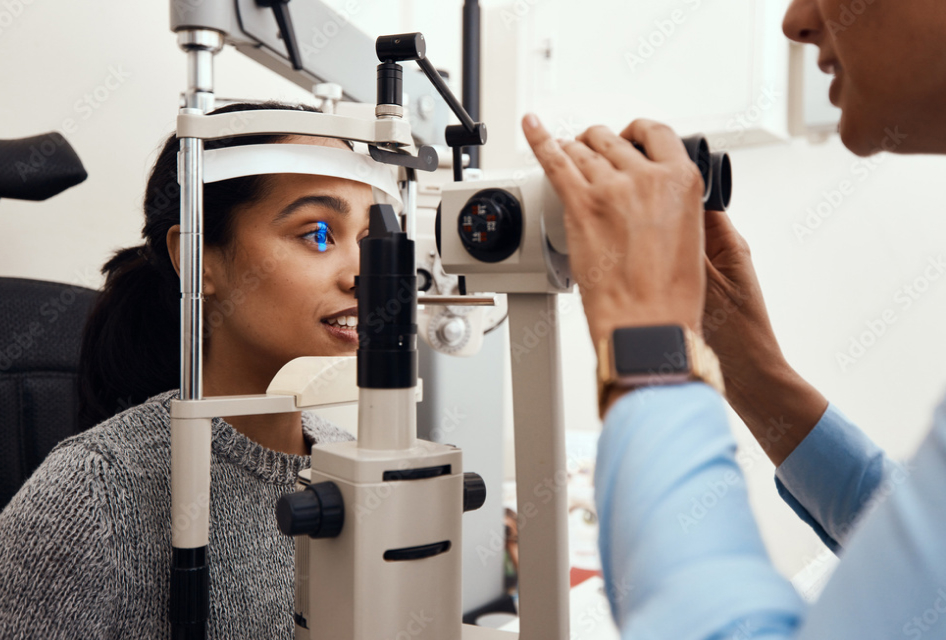
Understanding Glaucoma
Glaucoma is often called the “silent thief of sight” because it typically shows no symptoms until significant vision loss has already occurred. This progressive eye disease damages the optic nerve, usually due to increased pressure in your eye.
Once vision is lost to glaucoma, it cannot be restored. However, with early detection and proper treatment, we can usually stop or significantly slow further vision loss, helping you maintain the sight you need for all the activities that matter most to you.
Glaucoma affects over 3 million Americans, but only half know they have it. Regular comprehensive eye exams are the only way to catch it early.
Risk Profile
Glaucoma can affect anyone, but the risk increases with age, family history, elevated eye pressure, certain medical conditions, long-term steroid use, or previous eye injuries. Understanding your personal risk factors helps us determine how often you should be screened and how closely your eye health should be monitored.
People at higher risk may not notice any changes in their vision until significant damage has occurred. By identifying risk factors early, we can implement preventive strategies, monitor eye health more closely, and take action to protect your vision before serious loss happens.
Glaucoma Detection
Glaucoma often develops without symptoms, which is why regular comprehensive eye exams are essential. These exams allow us to check eye pressure, evaluate the optic nerve, and measure visual fields to detect glaucoma in its earliest stages.
Early detection gives us the best chance to preserve your vision. Even if you feel your eyes are fine, advanced tests such as OCT imaging can reveal subtle changes before they impact your sight, allowing timely and effective treatment to prevent further vision loss.
Types We Treat
Glaucoma is a group of eye diseases that damage the optic nerve, often due to increased eye pressure. We diagnose and manage several forms, including primary open-angle glaucoma, angle-closure glaucoma, normal-tension glaucoma, congenital glaucoma, and secondary glaucoma caused by injury or other conditions.
Each type of glaucoma requires a personalized approach. By tailoring treatment to the specific form and severity of the disease, we aim to slow or stop its progression, helping you maintain your vision and quality of life for as long as possible.
Glaucoma Treatment Options
From advanced medications to cutting-edge surgery, we offer the full spectrum of treatments. Our approach is always to start with the least invasive option that will effectively control your eye pressure, progressing to more advanced treatments only when necessary.
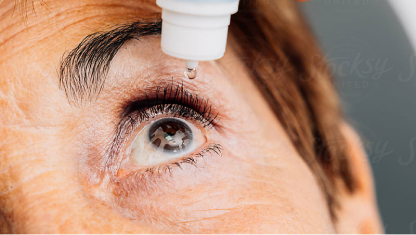
Prescription Eye Drops
The first-line treatment for most patients: Modern glaucoma medications are highly effective at lowering eye pressure. We’ll find the right medication and dosage for your specific needs, with options that fit your lifestyle and minimize side effects.
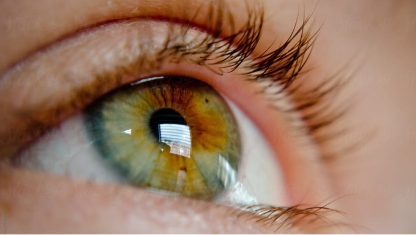
DURYSTA™ Implant
Revolutionary sustained-release treatment: Horizon Eye Care was the first practice in North Carolina to offer this breakthrough treatment. The tiny implant releases medication slowly over months, eliminating daily eye drops for many patients.

Laser Procedures
Minimally invasive outpatient treatment: Selective Laser Trabeculoplasty (SLT) and other laser treatments can effectively lower eye pressure with minimal discomfort and quick recovery. Often used when drops aren’t sufficient or cause side effects.
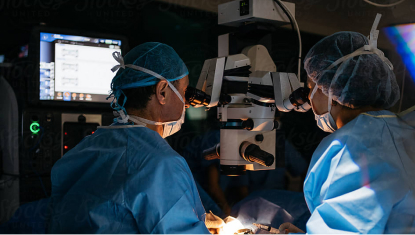
Laser Procedures
When other treatments aren’t enough: Our glaucoma surgeons offer the latest surgical techniques, including minimally invasive glaucoma surgery (MIGS) and traditional filtering procedures. We’ll recommend surgery only when necessary for preserving your vision.
DURYSTA™ Implant
Revolutionary sustained-release treatment: Horizon Eye Care was the first practice in North Carolina to offer this breakthrough treatment. The tiny implant releases medication slowly over months, eliminating daily eye drops for many patients.
Meet Charlotte's Leading Glaucoma Specialists
Fellowship-trained experts combining advanced medical training with genuine compassion.
 Proudly rated 4.8 from 7,600+ patient reviews
Glaucoma Care Across Charlotte
Find the same personalized care and fellowship-trained specialists at any of our seven convenient Charlotte-area locations:


Clear Lens Exchange Resources
No blogs found for this doctor.
Clear Lens Exchange FAQs
What are the different types of glaucoma?
- Primary Open-Angle Glaucoma: Most common (90% of cases), develops slowly as drainage channels become less efficient.
- Angle-Closure Glaucoma: Medical emergency where drainage channels suddenly block, causing rapid pressure increase.
- Normal-Tension Glaucoma: Typically observed in optic nerve damage with normal eye pressure.
- Secondary Glaucoma: Results originating from other eye conditions, injuries, or medications.
How does glaucoma develop?
Your eye continuously produces clear fluid called aqueous humor. In a healthy eye, this fluid flows out through tiny drainage channels. When these channels become blocked or don’t function properly, fluid builds up, increasing pressure inside the eye. Over time, this elevated pressure can damage the delicate fibers of the optic nerve, leading to permanent vision loss.
Can glaucoma be cured?
Currently, there’s no cure for glaucoma, but it can be effectively managed to prevent further vision loss. The key is early detection and consistent treatment to control eye pressure and protect the optic nerve.
Is glaucoma treatment covered by insurance?
Most major insurance plans, including Medicare, cover glaucoma diagnosis and treatment. Our insurance specialists will verify your benefits and help you understand any out-of-pocket costs before treatment begins.